Online Learning: Platforms, Courses, and How to Get Real Value in 2025
When you hear online learning, the act of gaining knowledge through digital tools and platforms instead of in-person classrooms. Also known as e-learning, it's no longer just a backup plan—it's the main way millions of students, teachers, and professionals learn today. Whether you're a parent trying to help your kid keep up, a teacher managing virtual classrooms, or someone looking to switch careers, online learning is the tool you can't ignore anymore.
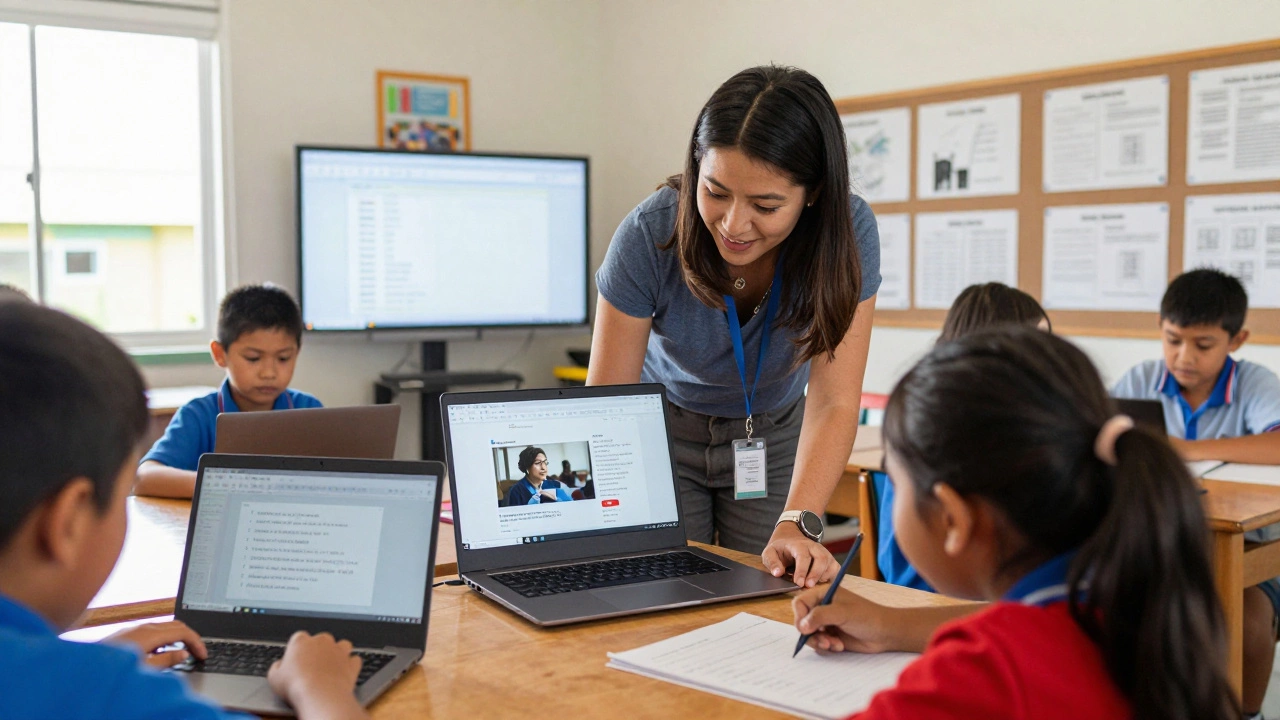
It’s not just about watching videos. e-learning platforms, digital systems that host courses, track progress, and connect learners with instructors. Also known as learning management systems, they’re the backbone of modern education. Google Classroom dominates schools because it’s free, simple, and works with tools teachers already use. But platforms like Udemy, Coursera, and Teachable are where adults go to build skills that lead to jobs. These platforms aren’t all the same—some pay instructors well, others give you certificates that mean nothing. And then there’s the question: are free courses really free? Often, you pay later in hidden fees for certificates or upgrades.
What makes online learning work isn’t the platform—it’s what you do with it. Some people chase easy degrees that look good on paper but don’t help them get hired. Others pick job-oriented courses in data, digital marketing, or coding that actually lead to paychecks. You can learn anything online now—from basic math to advanced AI—but not everything is worth your time. The best learners don’t just sign up. They compare, ask questions, and pick based on real results, not flashy ads.
And it’s not just about studying. It’s about teaching too. If you know something valuable, you can make money by creating courses. But not all platforms are created equal. Teachable lets you keep most of the profits if you bring your own audience. Udemy gives you exposure but tiny payouts. Skillshare pays by the minute watched—so if your course isn’t binge-worthy, you won’t earn much. The smartest instructors build their own brand, not just upload to someone else’s site.
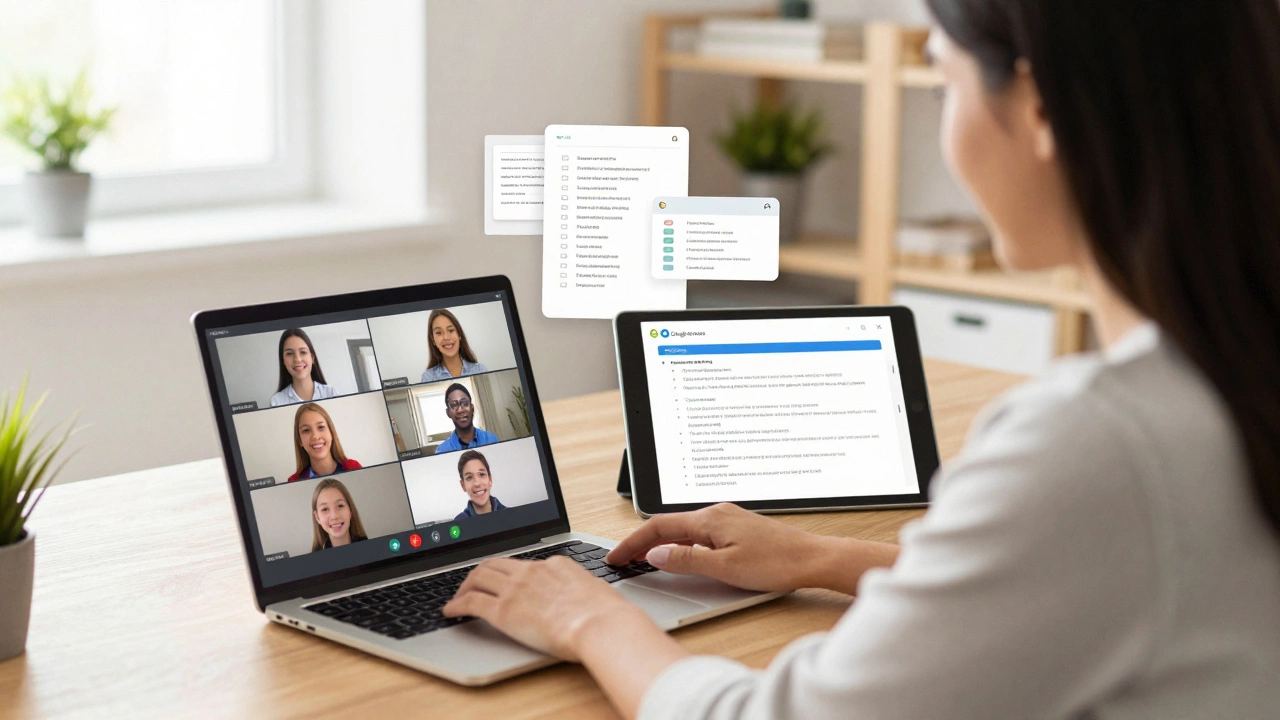
There’s also a big difference between virtual learning, live, real-time classes with teachers and students interacting online. Also known as synchronous learning. and eLearning, self-paced lessons you can take anytime, without live interaction. Also known as asynchronous learning. One feels like school. The other feels like watching a tutorial on YouTube. Both have their place. But mixing them? That’s where real learning happens.
You’ll find posts here that cut through the noise. We’ve looked at which platforms actually pay instructors the most. We’ve checked if Google Classroom is truly free—and where it falls short. We’ve dug into the easiest degrees you can earn online without wasting your time. We even asked: can Netflix be used for learning? (Spoiler: yes, if you know how.)
This isn’t a list of hype. It’s a collection of real, tested insights from people who’ve been through it. Whether you’re trying to get hired faster, teach online without getting ripped off, or just understand what’s really going on with digital education—you’ll find answers here. No theory. No fluff. Just what works in 2025.