Let’s be honest-e-learning has been around for years. Schools, universities, and companies jumped on it hard during the pandemic. But now, in 2026, something’s still broken. After watching thousands of students log in, click through modules, and then vanish, one pattern keeps showing up: engagement isn’t just low-it’s collapsing. And that’s the biggest problem with e-learning today.
Students Aren’t Just Logging Off-They’re Disappearing
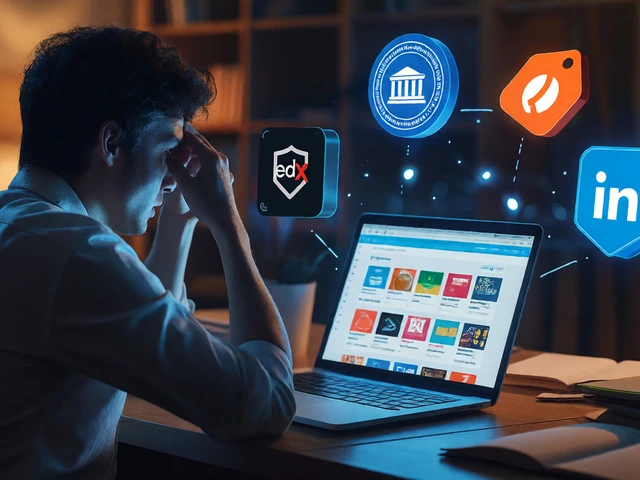
Think about your own experience. You sign up for an online course. You’re excited. You watch the first video. Maybe you take a quiz. Then life happens. Work gets busy. Your kid gets sick. You forget to log in. A week later, you realize you haven’t touched the course in 10 days. You feel guilty. You delete the email reminder. That’s not laziness. That’s the system failing.
According to data from 2025’s global e-learning survey, over 72% of learners drop out within the first two weeks. Only 14% finish a course. Compare that to in-person classes, where completion rates hover around 70%. Why? Because online learning doesn’t replicate the human glue that holds learning together.
No One’s Checking In
In a physical classroom, your teacher notices you’re quiet. Your classmate asks if you’re okay. The TA walks around and sees you staring blankly at your screen. That’s feedback. That’s accountability. That’s connection.
E-learning platforms? They send automated reminders. They track how long you watched a video. They might even say, “You’re behind!” in a robotic tone. But no human says, “Hey, I saw you stopped at module three. What’s going on?”
That lack of personal touch isn’t a bug-it’s baked into the design. Most platforms treat learners like data points, not people. You’re a number in a completion metric. Your struggle? Not visible. Your confusion? Not tracked. Your motivation? Not measured.
The Illusion of Progress
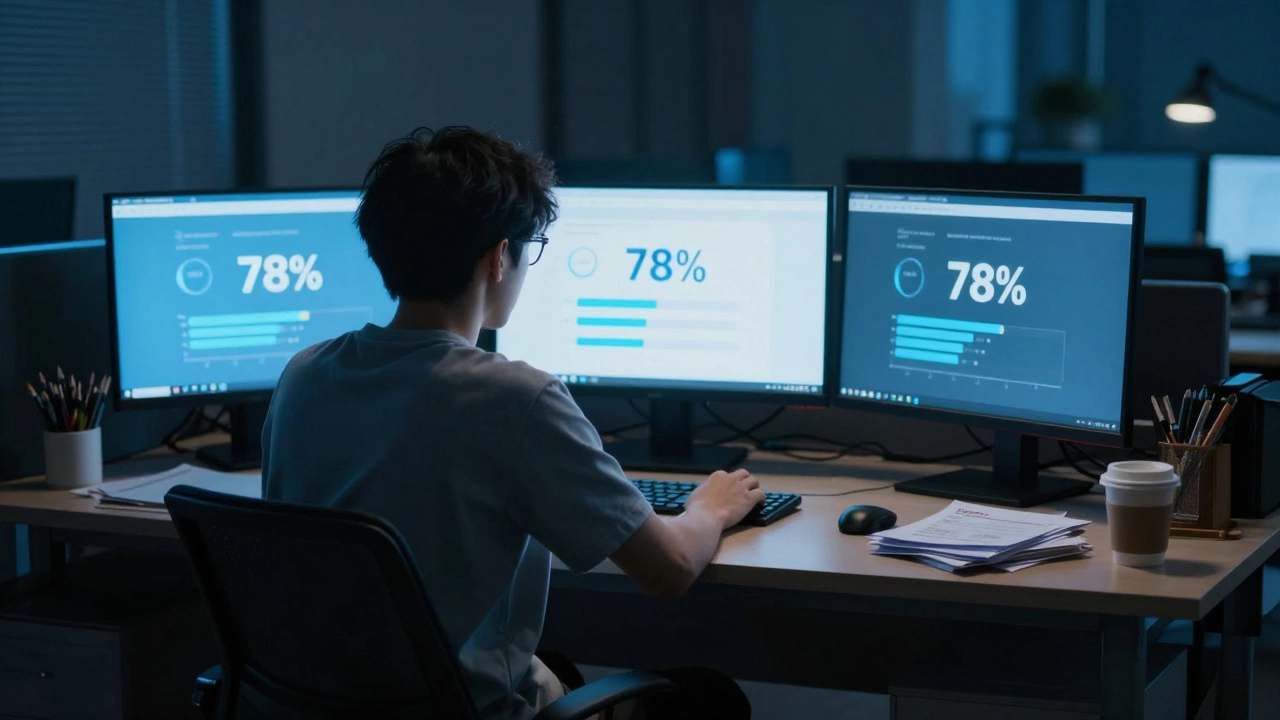
Ever seen those progress bars? “78% complete!” It feels good. Like you’re winning. But here’s the truth: you can click through 100 videos without absorbing a single idea. You can finish a course on financial modeling without knowing how to read a balance sheet.
Most e-learning tools measure activity, not understanding. They count clicks, not critical thinking. They track time spent, not skills gained. That’s why employers report that 61% of hires who completed online certifications still needed full retraining on the job.
It’s not that the content is bad. It’s that the system doesn’t test for real mastery. You get a certificate for watching, not for doing.
Isolation Is the Silent Killer
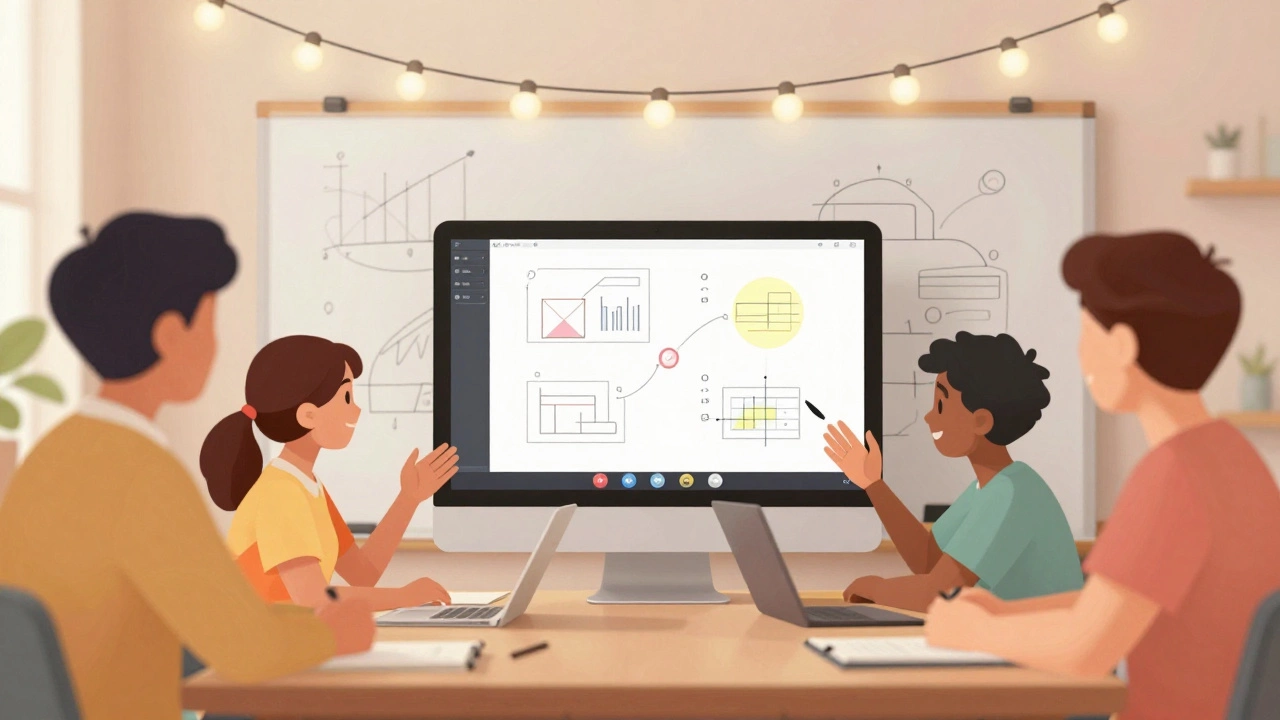
Learning is social. Even introverts learn better with others. Think about how you learned to ride a bike. Someone held the seat. Someone cheered you on. Someone told you to look ahead, not down.
E-learning removes all that. No group discussions. No late-night study sessions. No one to argue with about a concept. No one to celebrate with when it finally clicks.
Platforms like Coursera or Udemy offer discussion forums. But they’re ghost towns. Most posts are “Thanks for the video!” or “Is this the final exam?” No real dialogue. No peer-to-peer teaching. No community.
When you’re stuck on a concept, you don’t have a classmate to ask. You don’t have a tutor nearby. You’re alone with a 15-minute video that doesn’t answer your question.
It’s Not About the Tech-It’s About the Design
Some people blame the internet. Others blame poor video quality. Maybe you think we just need better AI tutors or more gamification.
But the real issue is deeper. E-learning platforms were built to scale, not to connect. They were designed to deliver content to millions, not to nurture learners one by one.
You can’t fix engagement by adding more animations. You can’t solve dropout rates by offering badges. You need structure that mimics real human learning environments: regular check-ins, personalized feedback, peer accountability, and live support.
Some startups are trying. A few platforms now pair learners with mentors for 15-minute weekly calls. Others use AI to flag when someone hasn’t interacted in three days-and then trigger a real human message. Early results? Completion rates jump to 48%.
That’s still not great, but it’s a start.
What Does Real Improvement Look Like?
Here’s what works:
- Weekly live Q&A sessions-even 30 minutes with an instructor makes a difference.
- Peer learning groups-small teams of 3-5 people who meet weekly to discuss material.
- Real-world projects-not quizzes, but actual tasks you can show to employers.
- Human check-ins-a coach who asks, “How’s it going?” and actually listens.
- Adaptive feedback-AI that says, “You struggled on this concept. Let me find you a different explanation.”
These aren’t fancy ideas. They’re basic human needs. Learning doesn’t happen in isolation. It happens in relationship.
The Future Isn’t More Content-It’s More Care
The biggest problem with e-learning isn’t that it’s online. It’s that it feels like a one-way broadcast. No warmth. No empathy. No follow-up.
Platforms that win next year won’t be the ones with the most courses. They’ll be the ones that treat learners like people-not numbers.
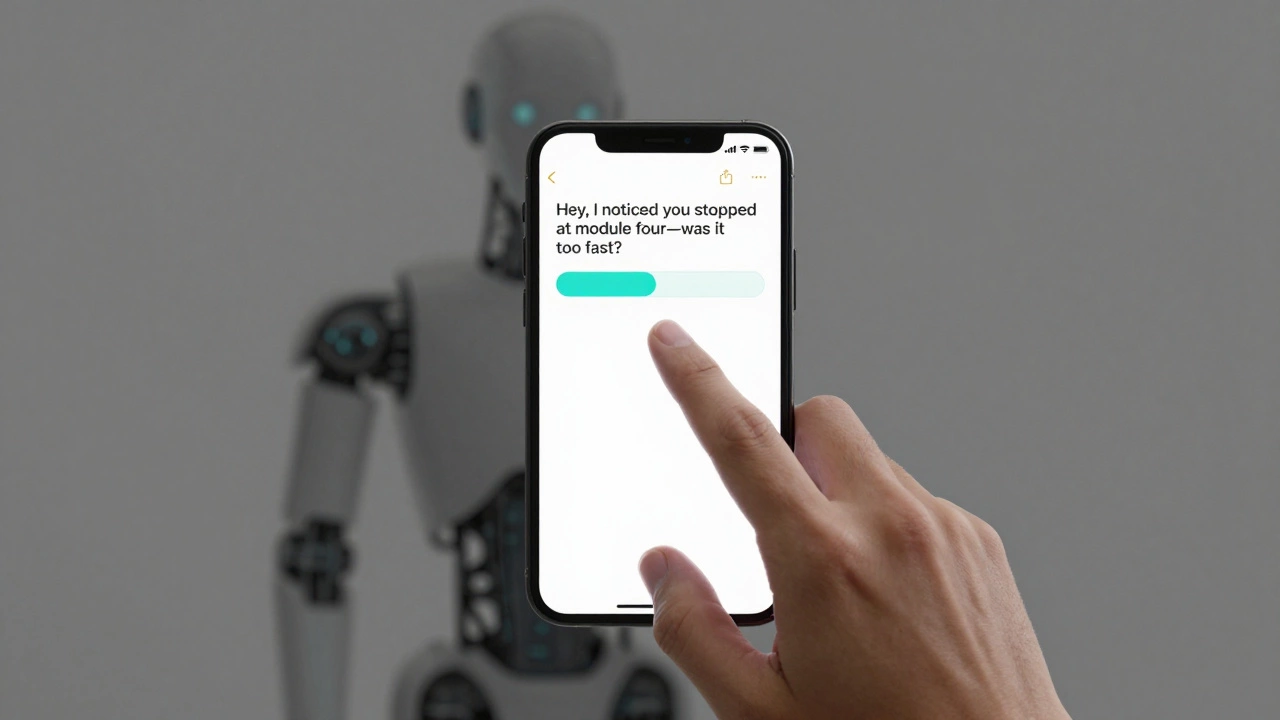
Imagine a system that notices you haven’t logged in for five days and texts you: “Hey, I noticed you stopped at module four. Was it too fast? Too slow? I can adjust your pace.”
That’s not science fiction. It’s possible. And it’s the only way e-learning will ever stop being a ghost town.
Why do most e-learning courses have such high dropout rates?
Most e-learning courses fail because they lack human connection. Learners feel isolated, unsupported, and unmotivated. Without regular feedback, peer interaction, or personal check-ins, people lose momentum quickly. Studies show over 70% drop out within the first two weeks-not because the content is hard, but because no one cares enough to keep them on track.
Are e-learning platforms improving?
A few are. Platforms that now include live coaching, peer study groups, and adaptive feedback are seeing completion rates rise from 14% to nearly 50%. But most still rely on automated systems-videos, quizzes, progress bars-that treat learners like data points. Real improvement means adding human elements, not more tech.
Is e-learning worse than traditional learning?
Not inherently. The content can be just as good. But traditional learning has built-in support: teachers notice when you’re struggling, classmates help you study, and deadlines come with social pressure. E-learning strips all that away. The problem isn’t the medium-it’s how poorly most platforms replicate human interaction.
Can AI solve the engagement problem in e-learning?
AI can help-by flagging at-risk learners or suggesting alternative explanations. But it can’t replace empathy. No algorithm can sense when someone is overwhelmed, lonely, or discouraged. The most effective systems combine AI alerts with human touchpoints: a coach calling, a peer messaging, a mentor offering encouragement.
What should I look for in an e-learning course to stay engaged?
Look for courses that offer live sessions, peer groups, or mentor access. Avoid ones that only have videos and quizzes. Ask: “Is there someone I can talk to if I get stuck?” If the answer is no, it’s not designed for real learning. The best e-learning feels like a conversation-not a lecture.