School Education in India: CBSE, ICSE, and Global Comparisons
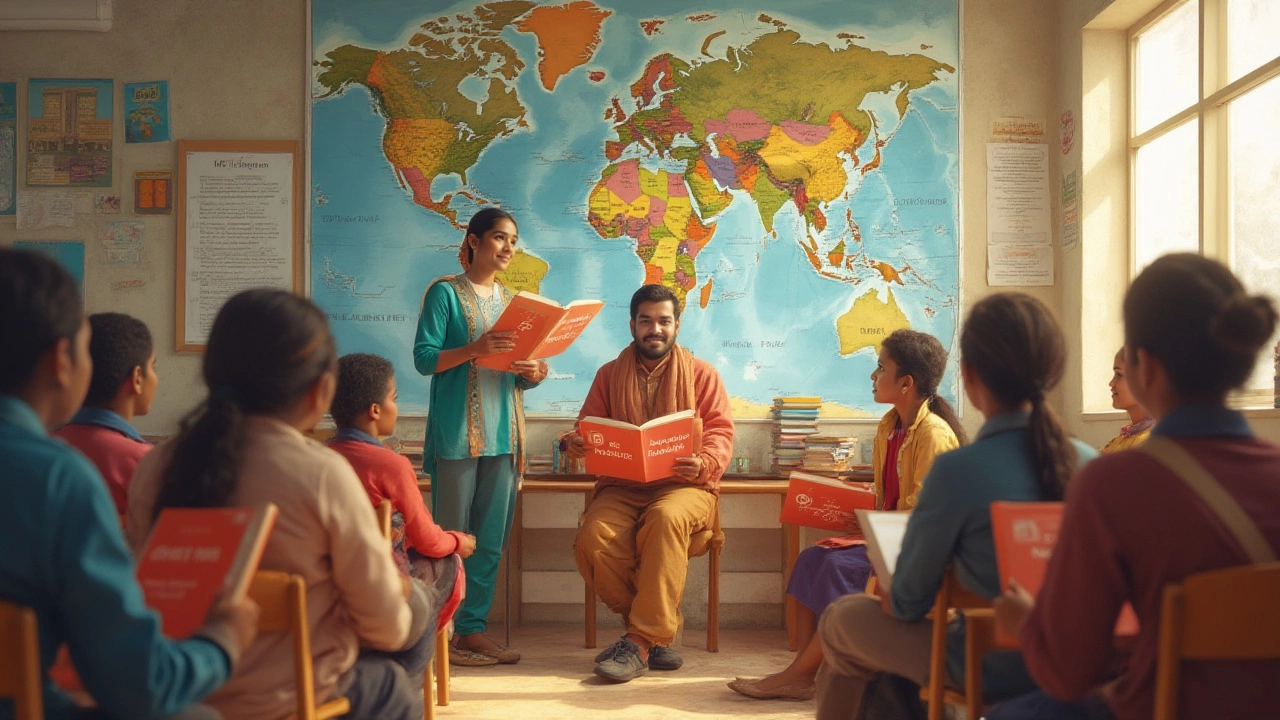
When it comes to school education, the structured system that guides children from primary to secondary levels in India, often centered around national and state boards. Also known as K-12 education, it shapes how millions of students prepare for college, careers, and life beyond the classroom. The two biggest players are the CBSE syllabus, a centralized curriculum used by over 20,000 schools across India and abroad, known for its clear structure and exam-focused approach and the ICSE board, a more detailed, literature-rich alternative that emphasizes critical thinking and broader subject coverage. These aren’t just different exams—they’re different ways of learning. CBSE prepares students for competitive exams like JEE and NEET with a streamlined path, while ICSE builds strong language and analytical skills that work well abroad. Parents often choose between them based on where they see their child heading: engineering colleges in India or universities in the US, UK, or Australia.
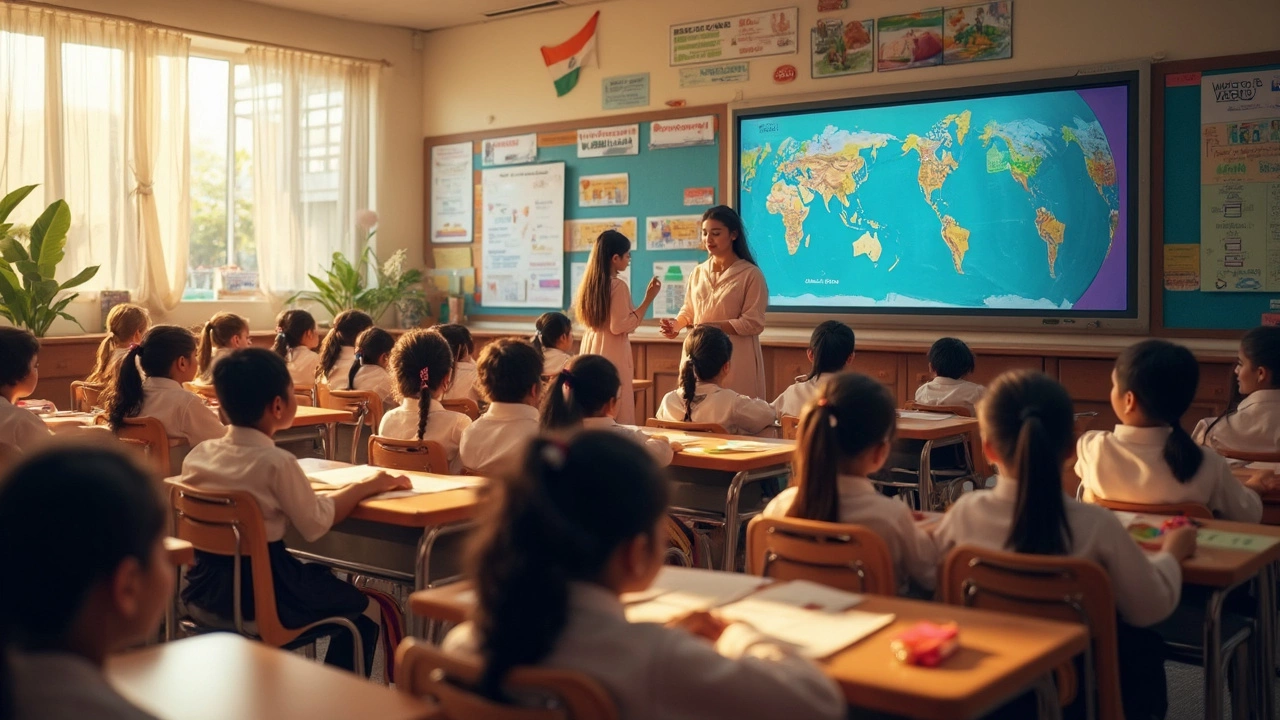
It’s not just about CBSE and ICSE. Many Indian families now look beyond borders, asking if international curriculum, like IB or IGCSE, offers a better fit for global opportunities. Schools in Dubai, Singapore, or even the US sometimes offer CBSE as an option, making it possible for Indian expats to stick with a familiar system. But how does that stack up against IB’s project-based learning or IGCSE’s flexibility? And is the Indian education system, a mix of rigid exams, rote learning, and growing emphasis on skills really holding kids back—or giving them the discipline they need to succeed? The truth is, no single system is perfect. CBSE gets you into top Indian colleges. ICSE gives you a stronger writing edge. IB opens doors to elite universities worldwide. The right choice depends on your child’s strengths, your family’s goals, and where you plan to live next.
What you’ll find below are real, no-fluff comparisons: why CBSE exam papers are the same in Kerala and Kashmir, whether Harvard actually takes CBSE students, if ICSE is recognized in the USA, and which school board is truly the toughest. We’ll break down what DPS schools really follow, why some countries have harder syllabi than others, and how to spot a fake CBSE school overseas. This isn’t theory—it’s what parents and students are actually dealing with right now. Whether you’re picking a school, planning to move abroad, or just trying to understand the chaos of Indian education, the answers here are practical, not promotional.