Regional Variations in Indian Education: How Location Shapes Learning
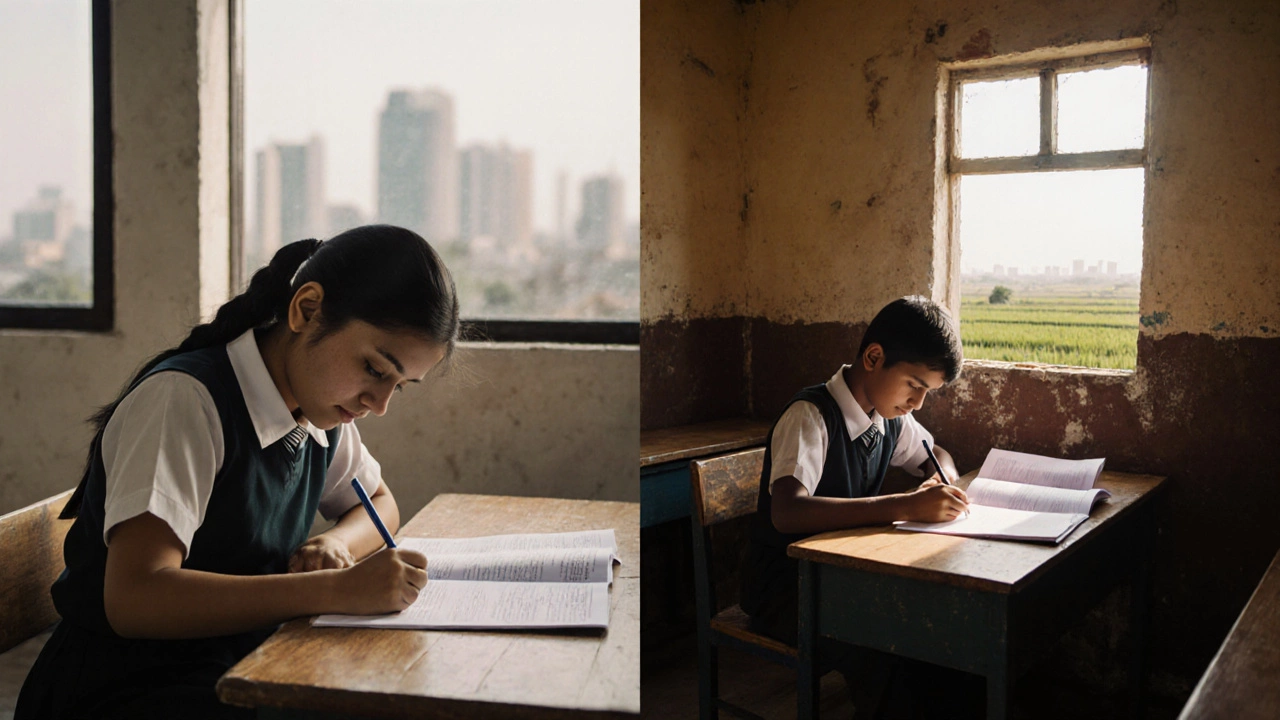
When it comes to education in India, regional variations, differences in curriculum, coaching culture, and access to resources across states. Also known as education disparities, these differences aren’t just minor tweaks—they shape who gets into medical school, who struggles to keep up, and who ends up with a job that actually pays. A student in Delhi doesn’t experience the same system as one in Kerala or Bihar. The board they follow, the language of instruction, the quality of teachers, and even the pressure they feel—all vary wildly depending on where they live.
Take the CBSE syllabus, a national curriculum used in private and central schools across India. Also known as Central Board of Secondary Education, it’s the most common path for NEET and JEE aspirants. But in states like Tamil Nadu or West Bengal, students follow state boards with entirely different textbooks, exam patterns, and grading systems. This isn’t just about textbooks—it’s about opportunity. A student in a remote village might not even have access to a physics lab, while a kid in Kota spends 12 hours a day in a coaching center. The NEET coaching hubs, cities like Kota, Lucknow, and Hyderabad where coaching institutes cluster to serve exam-focused students. Also known as education hotspots, these places have become ecosystems built around one goal: cracking entrance exams. Meanwhile, in other regions, coaching is a luxury few can afford. Even online learning tools like Google Classroom or YouTube channels for English help aren’t equally accessible—connectivity, device ownership, and parental support vary by region.
It’s not just about money. Language plays a huge role. A student learning science in Hindi or Marathi faces different challenges than one learning in English, even if they’re studying the same topic. And when it comes to competitive exams like UPSC or NEET, the competition isn’t national—it’s regional. You’re not just competing with the whole country; you’re competing with the top students from your state, who’ve had the same coaching, same books, same pressure. That’s why the best city for NEET prep isn’t the same as the best city for learning Python or mastering English speaking. The system isn’t uniform. It’s fractured. And understanding those fractures is the first step to navigating them. Below, you’ll find real comparisons, city-by-city breakdowns, and hard truths about what education really looks like across India—no sugarcoating, no fluff, just what works and what doesn’t where you are.
Popular Post