CBSE Schools Abroad: What Parents Need to Know About Curriculum, Costs, and Choices
When you choose a CBSE school abroad, a school outside India that follows the Central Board of Secondary Education curriculum, often used by Indian families living overseas. Also known as Indian curriculum schools abroad, these institutions help students stay connected to India’s education system while living in countries like the UAE, USA, UK, or Singapore. Many families pick CBSE schools overseas because they want continuity—whether it’s for future return to India, standardized exams like NEET or JEE, or familiarity with the syllabus. But it’s not just about sticking to what’s known. The real question is: does this system actually work outside India?
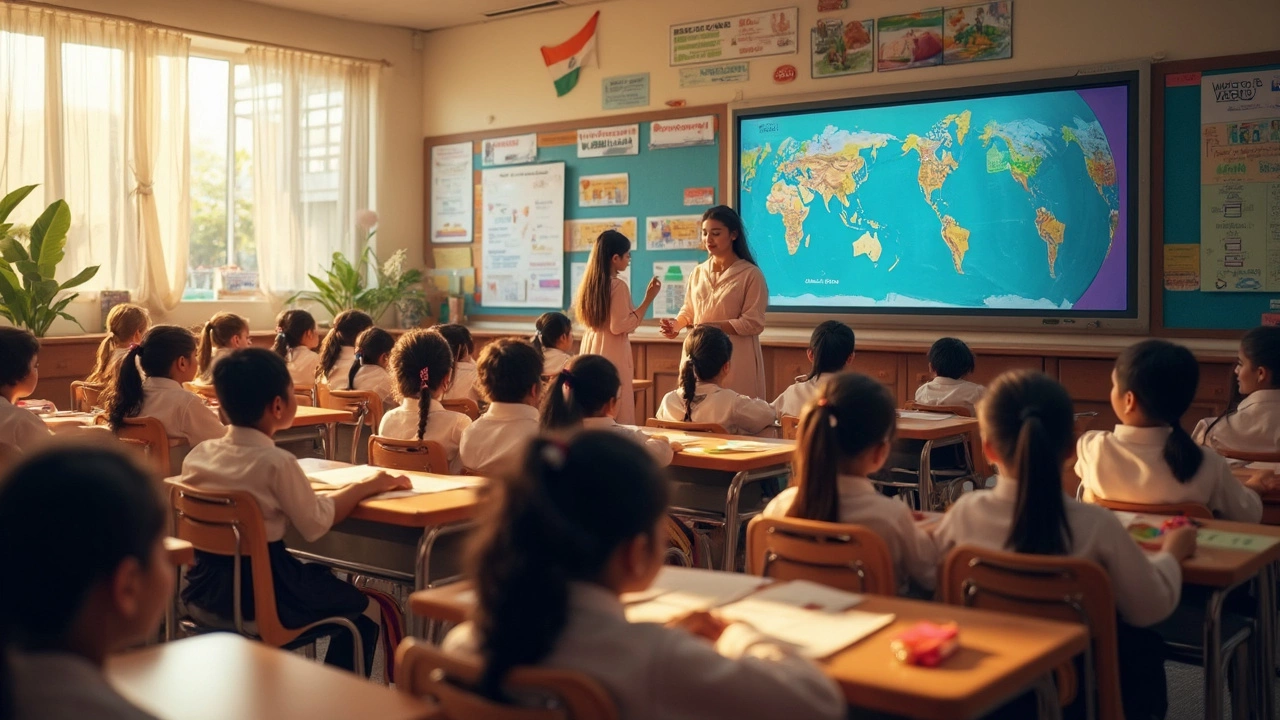
CBSE schools abroad aren’t just Indian schools with a flag on the wall. They follow the same textbooks, exam patterns, and grading scales as schools in Delhi or Chennai. But they also adapt to local culture, language needs, and holidays. For example, a CBSE school in Dubai might offer Arabic as a second language, while one in the UK might blend in more project-based learning. This hybrid model works for many—but not all. Some parents find the rigid exam focus clashes with local teaching styles that value creativity over memorization. And while CBSE is recognized globally, top universities in the US or Canada often prefer IB or A-Levels. So if your goal is admission to a foreign university, you’ll need to weigh CBSE’s strengths against its limitations.
Cost is another big factor. A CBSE school in Abu Dhabi can cost between $5,000 and $15,000 a year—much cheaper than an IB school, but still a big jump from public schools in India. You’re paying for infrastructure, certified Indian teachers, and exam preparation support. Meanwhile, in countries like Canada or Australia, CBSE schools are rare, and often run by private Indian communities. They may not have the same resources or accreditation as official Indian board schools. Always check if the school is recognized by CBSE headquarters in Delhi. Unrecognized schools can leave your child stranded when it’s time to take board exams or apply to Indian colleges.
Parents also worry about social adjustment. Kids in CBSE schools abroad often mix with other Indian students, which helps with language and cultural comfort—but can limit exposure to local peers. Some schools solve this by organizing cultural exchange programs or bilingual activities. Others don’t. It’s worth asking current parents: Do students feel isolated? Are they prepared for life beyond the classroom? The best CBSE schools abroad don’t just teach math and science—they build global citizens who can switch between cultures without losing their roots.
There’s no one-size-fits-all answer. If you plan to return to India in 5 years, CBSE is the safest bet. If you’re settling permanently overseas and your child will apply to local universities, you might want to consider switching to IB or the local curriculum later. But if you’re unsure, starting with CBSE gives you flexibility. You can always change paths later. The key is knowing why you chose it in the first place.
Below, you’ll find real comparisons, parent experiences, and practical advice on choosing the right CBSE school overseas—whether you’re in Dubai, London, or San Francisco.
Popular Post