Daily English Learning Plan Builder
Build Your Custom Learning Plan
Create a personalized daily schedule using the best free English learning tools from the article. Choose the tools you want to use and how much time you can commit each day.
How it works: The tool combines the recommended daily schedule from the article, with adjustments based on your time preferences. The ideal daily commitment is 45 minutes total across all tools for best results.
If you’re trying to learn English but don’t want to spend money on expensive courses, you’re not alone. Millions of people around the world - from students in India to workers in Brazil - are using free tools to build real speaking, listening, and grammar skills. The good news? You don’t need to pay a cent to get started. The better news? Some of the best free programs today are just as effective as paid ones, if not more.
What Makes a Free English Program Actually Work?
Not all free apps or websites are created equal. Some just show flashcards and call it a day. Others give you real conversations, instant feedback, and progress tracking. So what should you look for?
A good free English program needs four things:
- Real speaking practice - not just typing answers, but actually talking and getting corrected.
- Adaptive learning - it adjusts to your level so you’re not stuck on basics or overwhelmed by advanced stuff.
- Native speaker content - videos, podcasts, and dialogues from real people, not robotic voiceovers.
- Consistent feedback - you need to know when you’re making mistakes, especially in pronunciation.
Most free tools miss at least one of these. But a few nail all four.
1. Duolingo - The Starter That Works
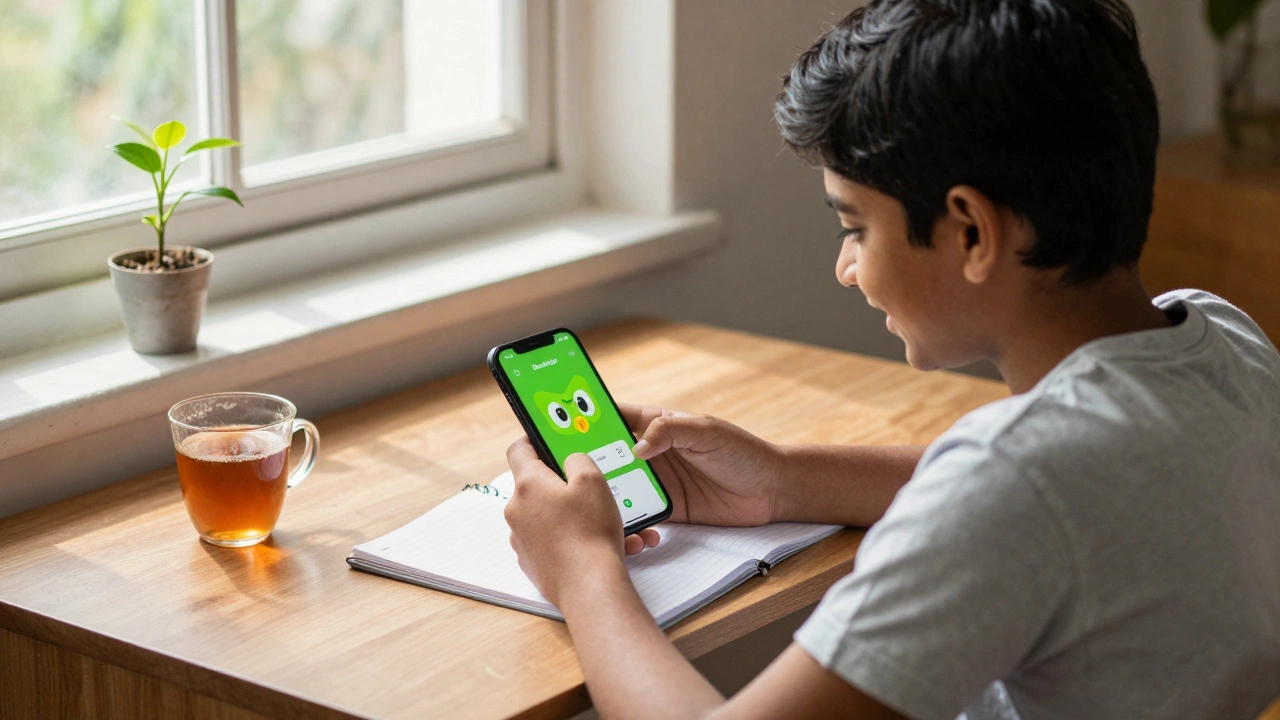
Duolingo isn’t flashy, but it’s the most downloaded language app in the world for a reason. It’s perfect if you’ve never studied English before or if you’ve forgotten everything since high school.
The app breaks lessons into five-minute chunks. You match words to pictures, listen to sentences, and repeat them out loud. It tracks your streak - and yes, that little fire icon keeps you coming back. But here’s the catch: Duolingo’s speaking exercises are limited. It doesn’t correct your accent deeply, and you won’t have real conversations.
Still, if you use it daily for 10 minutes, you’ll build vocabulary and basic sentence structure fast. It’s the best free starting point.
2. BBC Learning English - For Real-Life English
If you want to understand how English is actually spoken - in news, interviews, and everyday chats - BBC Learning English is unmatched. It’s not an app, but a website with hundreds of free videos, audio clips, and quizzes.
Their 6 Minute English series is a goldmine. Each episode is a short conversation on a topic like climate change, social media, or travel. They slow down the speech, explain new words, and give you a transcript. You can listen while walking, cooking, or commuting.
They also have English at Work - real role-plays for job interviews, emails, and meetings. If you’re preparing for a job in an English-speaking country, this is the tool you need.
3. Tandem - Talk to Real People for Free
This is the only free app that connects you with native English speakers who want to learn your language. You chat via text, voice, or video. No bots. No scripts. Just real people.
Let’s say you’re from Mexico and want to improve your English. You find someone from Canada who wants to learn Spanish. You spend 15 minutes speaking English, then 15 minutes speaking Spanish. You correct each other. You learn slang, idioms, and how to sound natural.
It’s not perfect - you might get a partner who’s not very active. But when you find the right match, progress jumps. Tandem has over 30 million users. There’s always someone online.

4. ELSA Speak - Fix Your Pronunciation
Pronunciation is the #1 thing holding people back. You might know all the words, but if your accent makes you hard to understand, people zone out.
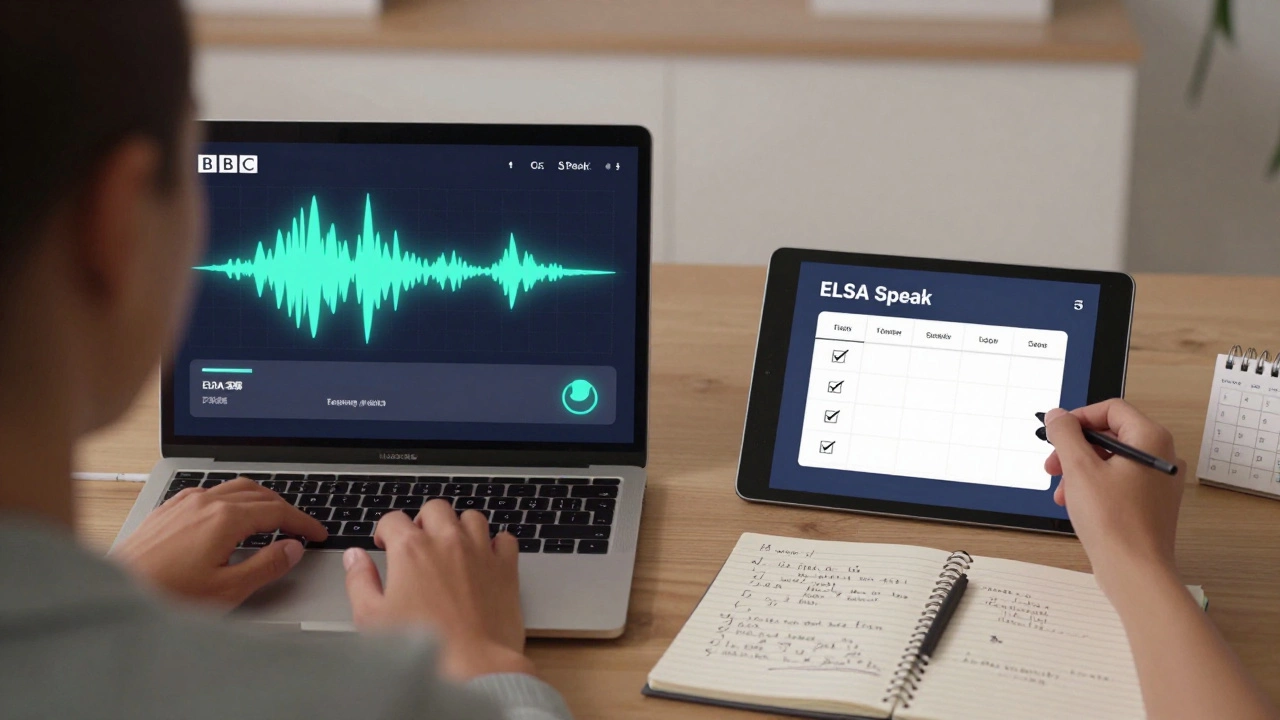
ELSA Speak uses AI to analyze your speech in real time. You say a sentence like “I need to book a flight,” and it highlights exactly where you went wrong - maybe you said “buk” instead of “book,” or you stressed the wrong syllable. It gives you a score and shows you how to fix it.
It’s free to use the core features: 100+ pronunciation lessons, daily practice, and instant feedback. The paid version unlocks more content, but you don’t need it to see results. I’ve seen learners cut their accent issues by 60% in just 30 days using only the free version.
5. YouTube Channels - The Hidden Gem
YouTube isn’t an app, but it’s the most powerful free English resource you’re probably ignoring.
Channels like English Addict with Mr Steve, Learn English with Emma, and Speak English With Vanessa offer structured lessons for every level. They teach grammar in context, explain phrasal verbs, and even show you how to sound polite in emails.
Try this: Pick one channel you like. Watch one video a day. Don’t take notes. Just listen. After a week, rewatch it with subtitles. Then again without. You’ll start catching words you missed before. After a month, you’ll understand TV shows without subtitles.
How to Combine These Tools for Real Results
Using just one tool won’t get you fluent. You need a mix.
Here’s a simple daily plan that works for beginners and intermediate learners:
- Morning (5 min): Duolingo - warm up vocabulary and grammar.
- Lunch (10 min): BBC Learning English - listen to a 6 Minute English episode. Pause and repeat lines.
- Afternoon (10 min): ELSA Speak - practice 3 pronunciation exercises.
- Evening (15 min): Tandem - chat with a native speaker. Ask them to correct you.
- Before bed (5 min): Watch one short YouTube lesson.
That’s 45 minutes a day. No cost. No pressure. Just steady progress.
What Doesn’t Work (And Why)
Many people waste time on tools that feel productive but don’t build real skills.
Flashcard apps like Anki - great for memorizing words, but useless for speaking. You might know 2,000 words and still can’t order coffee.
Grammar-only sites - they teach rules but not how to use them. You’ll know when to use “past perfect,” but not how to say it naturally in conversation.
Translation apps - Google Translate can’t teach you tone, context, or idioms. Saying “I am fine” when you mean “I’m okay, but not great” can sound robotic or even rude.
Stick to tools that make you speak, listen, and get corrected.
Progress Tracking: How Do You Know You’re Getting Better?
You won’t feel like you’re improving every day. That’s normal. But here’s how to check your progress every two weeks:
- Record yourself saying the same sentence: “I went to the store yesterday to buy milk.” Listen to it from two weeks ago. Can you hear the difference in your pronunciation?
- Watch a YouTube video you struggled with before. Can you understand it without subtitles now?
- Have a 5-minute chat on Tandem. Did you understand your partner better? Could you respond without pausing too much?
If you answer yes to any of these, you’re moving forward.
Common Mistakes to Avoid
- Waiting to be “ready” - You’ll never feel ready. Start speaking now, even if you make mistakes.
- Only studying alone - Talking to yourself in the mirror doesn’t help. You need feedback from real people.
- Learning too much at once - Don’t jump from Duolingo to IELTS prep in a week. Build habits, not goals.
- Comparing yourself to others - Someone who speaks fluently after 6 months had 20 hours a week. You’re doing fine with 10.
Consistency beats intensity.
Can I really learn English for free and become fluent?
Yes - but fluency takes time and active practice. Free tools like Tandem, ELSA Speak, and BBC Learning English give you everything you need to reach advanced levels. The difference between free and paid isn’t content - it’s support. Paid courses offer tutors and structured plans. But if you’re disciplined, free tools can take you just as far.
Which free app is best for speaking English?
Tandem is the best for real conversations. ELSA Speak is the best for fixing pronunciation. Use both together. Tandem gives you real human interaction; ELSA gives you precise feedback on your voice. No other free app combines both.
How long does it take to learn English with free tools?
It depends on your starting point and how much time you put in. If you practice 30-45 minutes daily, you can go from beginner to intermediate in 6-8 months. Reaching advanced fluency (C1 level) usually takes 12-18 months. The key isn’t the tool - it’s showing up every day.
Are free English apps safe to use?
Yes, if you stick to trusted platforms like Duolingo, BBC, ELSA, and Tandem. These are well-established and don’t sell your data. Avoid random apps with too many ads or that ask for your phone number. Tandem lets you control who you talk to - you can block anyone who makes you uncomfortable.
Do I need to download apps, or can I use websites?
You can use both. BBC Learning English and YouTube work perfectly on a browser. Duolingo and ELSA work better as apps because they send reminders. Tandem requires the app to use voice or video chat. For the best results, use a mix - apps for daily practice, websites for deeper listening.
Next Steps: Start Today
You don’t need to buy a course. You don’t need to travel. You don’t even need to be perfect.
Open your phone right now. Download Tandem. Sign up for BBC Learning English. Pick one video from YouTube. Speak one sentence out loud.
That’s it. You’ve started.
Fluency isn’t about talent. It’s about showing up. And you’ve already taken the first step.