Least Competitive Government Jobs in India: Easy Entry, Stable Pay
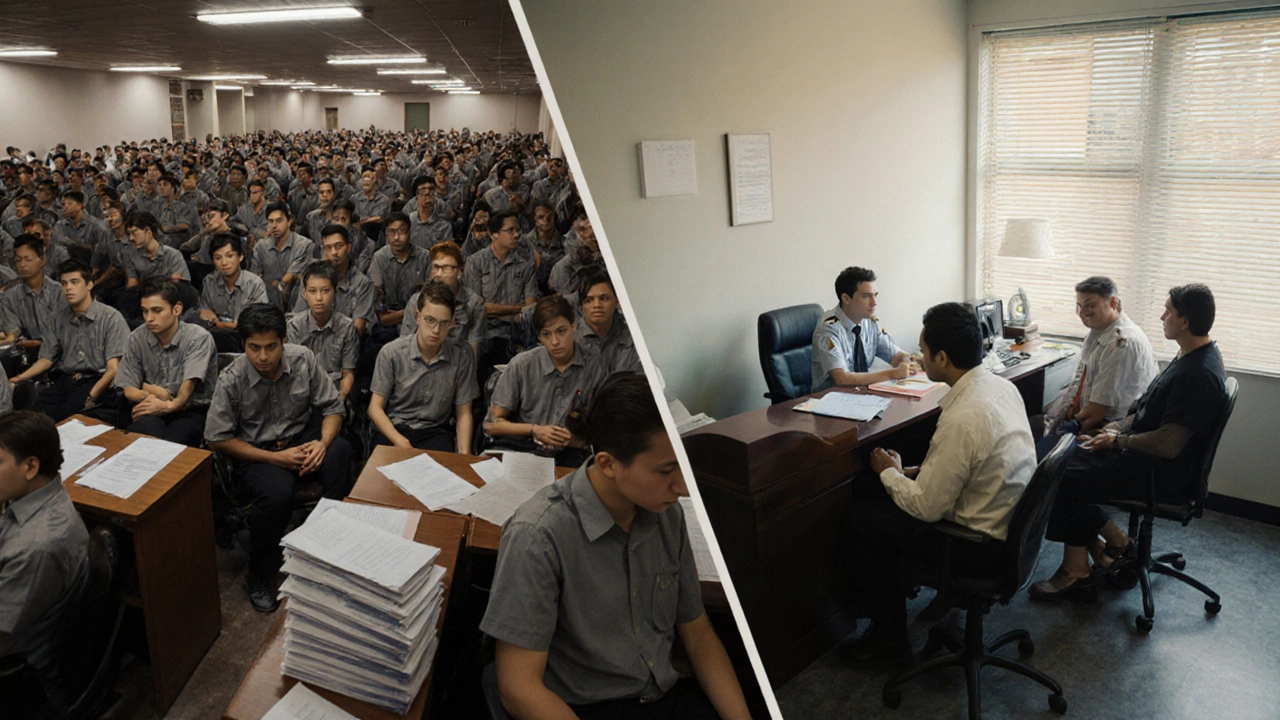
When people think of government jobs in India, they immediately picture the UPSC Civil Services Examination, a high-stakes, multi-stage exam with a success rate under 0.5%. Also known as IAS exam, it’s the most talked-about—but not the only—path into public service. The truth? Many government roles exist that are far less competitive, still offer job security, good pay, and benefits, and don’t demand 2–3 years of full-time prep. These aren’t hidden jobs—they’re simply overlooked because everyone’s chasing the same few titles.
There’s a big difference between competitive exams, tests like NEET, JEE, and UPSC that attract lakhs of applicants for hundreds of seats and open competitive examinations, state-level or departmental hiring processes with fewer applicants and clearer eligibility rules. For example, jobs like Lower Division Clerk (LDC), Stenographer, or Group D roles in state public service commissions often have 10–20 times more openings than applicants. These aren’t easy—they still require preparation—but the odds are dramatically better. You don’t need to be a top 100 ranker. You just need to be consistent, know the syllabus, and avoid the crowded lanes.
Many of these less competitive roles fall under state-level government exams, hiring processes run by individual states like Uttar Pradesh, Bihar, or Maharashtra that follow their own schedules and criteria. They often require only a 12th-grade pass or a diploma, not a degree. Some even allow candidates to apply without coaching. The exam pattern is simpler: basic reasoning, general knowledge, and simple math. No complex physics problems, no advanced calculus. You’ll find these jobs listed under SSC CHSL, RRB Group D, or state PSC clerical exams. They’re not glamorous, but they pay regularly, come with pensions, and rarely get laid off.
What’s more, these jobs don’t always require relocating to Delhi or joining a coaching hub like Kota. You can prepare from home using free resources, practice previous papers, and study during your free hours. Unlike NEET or JEE, where failure feels personal, these exams reward steady effort over genius. A person who studies 3 hours a day for 6 months can outperform someone who burns out after 2 years of intense coaching.
If you’re tired of hearing about the hardest exams in the world, it’s time to look at the quiet ones. The least competitive government jobs aren’t about being the best—they’re about being ready. And in a country where millions compete for a handful of top posts, being ready for the right job might be the smartest move you make.
Below, you’ll find real insights from people who took the less crowded path—what they studied, how they prepared, and which exams actually gave them results without breaking them.
Popular Post