Indian vs US Schools: Key Differences in Curriculum, Pressure, and Outcomes
When you compare Indian schools, a system built around high-stakes exams like NEET and JEE, with rigid syllabi and intense competition, to US schools, an environment that values critical thinking, project-based learning, and broader skill development, you’re not just looking at different teaching methods—you’re seeing two completely different philosophies about what education is for. One prepares you to win a test. The other prepares you to solve problems you haven’t seen before.
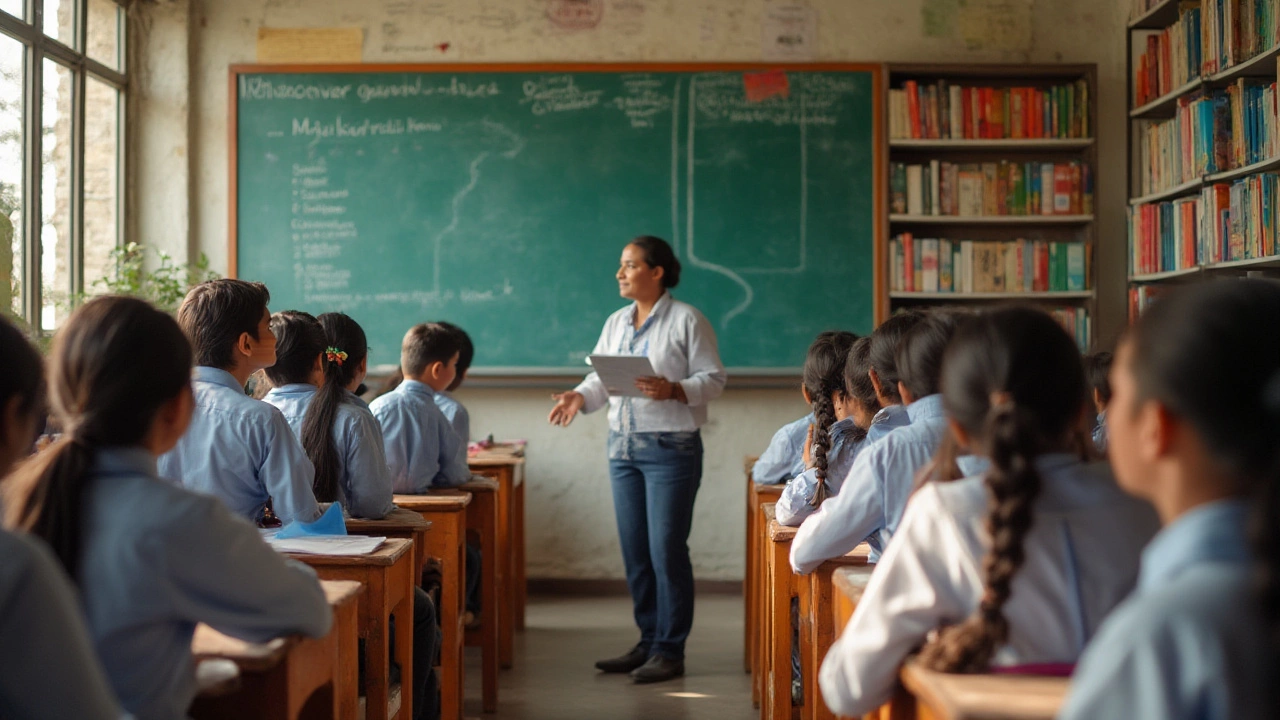
The biggest difference isn’t textbooks or uniforms—it’s student stress, the constant pressure Indian students face to rank higher, clear entrance exams, and meet family expectations. In India, a single exam like the UPSC or NEET can define your future. In the US, college admissions look at grades, extracurriculars, essays, and interviews. One system rewards consistency under pressure. The other rewards curiosity and self-direction. That’s why you’ll find Indian students spending 12-hour days in coaching centers, while American teens are joining robotics clubs, debate teams, or internships. Neither is better—just different.
CBSE vs American curriculum, the official syllabus used in most Indian schools versus the flexible, state-driven standards in the US shows this clearly. CBSE focuses on memorization, precise answers, and mastering a fixed syllabus. US classrooms encourage questions, debates, and open-ended projects. You won’t find a US student cramming for a 500-question multiple-choice paper like in JEE. But you will find them presenting a science fair project they spent months designing. The Indian system builds discipline. The American system builds independence.
And it shows in outcomes. Indian schools produce top performers in global math and science competitions, but many students burn out before college. US schools produce graduates who adapt quickly to changing careers, but some lack deep technical grounding. Neither system is perfect. The real question isn’t which is harder—it’s which fits your child’s strengths. Do they thrive under structure and clear goals? Then Indian schools might be the better fit. Do they learn by doing, asking, and exploring? Then the US model could unlock more potential.
What you’ll find in the posts below are real comparisons—not theory, not opinions. We’ve pulled insights from parents who moved from Delhi to Boston, students who switched from CBSE to an international school, and coaches who’ve seen both systems up close. You’ll learn why some families choose Dubai schools over Indian ones, how online learning is changing both systems, and what skills actually matter after graduation. This isn’t about picking a winner. It’s about understanding what each system gives—and takes—away from a student’s life.