ICSE Board: What It Is, How It Compares, and Why It Matters for Indian Students
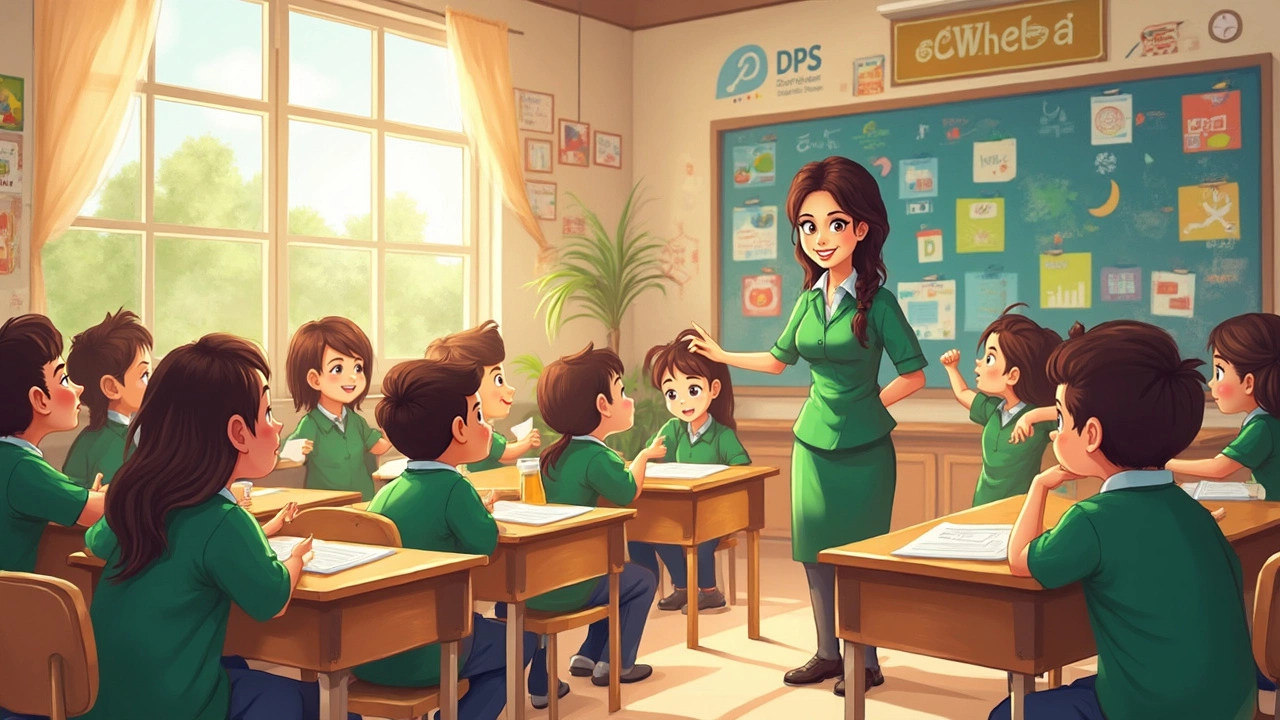
When it comes to school education in India, the ICSE, the Indian Certificate of Secondary Education board run by the Council for the Indian School Certificate Examinations (CISCE). Also known as CISCE, it offers a curriculum that emphasizes understanding over memorization, with strong focus on English language skills, practical science, and humanities. Unlike CBSE, which is more centralized and exam-driven, ICSE gives students more room to explore topics in depth—especially in literature, environmental science, and project-based learning. It’s the board of choice for many private and international-linked schools across India, from Mumbai to Kolkata, and is often preferred by families planning to study abroad.
One key difference between ICSE and CBSE is how subjects are structured. ICSE splits Physics, Chemistry, and Biology into separate papers at the Class 10 level, while CBSE combines them into a single Science paper. That means ICSE students spend more time on each subject, often with more lab work and internal assessments. The English syllabus is also significantly more demanding, with classic literature, grammar, and composition forming a core part of the exam. This makes ICSE a good fit for students who enjoy reading, writing, and analytical thinking—but it also means heavier workloads and less time for rote revision.
Parents often ask: Is ICSE harder than CBSE? The answer isn’t simple. ICSE isn’t necessarily harder in content, but it’s more detailed. A student who thrives on deep understanding and structured writing might find ICSE rewarding. Someone who prefers quick recall and a streamlined syllabus might feel overwhelmed. That’s why many families switch from ICSE to CBSE after Class 10, especially if their child is aiming for competitive exams like JEE or NEET, where CBSE’s alignment with national tests gives an edge. But if your goal is strong communication skills, global recognition, or a well-rounded education, ICSE delivers.
What you’ll find in the posts below are real comparisons, practical advice, and honest takes from students and parents who’ve walked this path. From how ICSE stacks up against international curricula to what makes its English papers so tough, these articles cut through the noise. Whether you’re choosing a school, prepping for Class 10 boards, or wondering if ICSE is worth the extra effort—you’ll find answers here, no fluff, no hype.