Coding Classes: What They Really Teach and Who They’re For
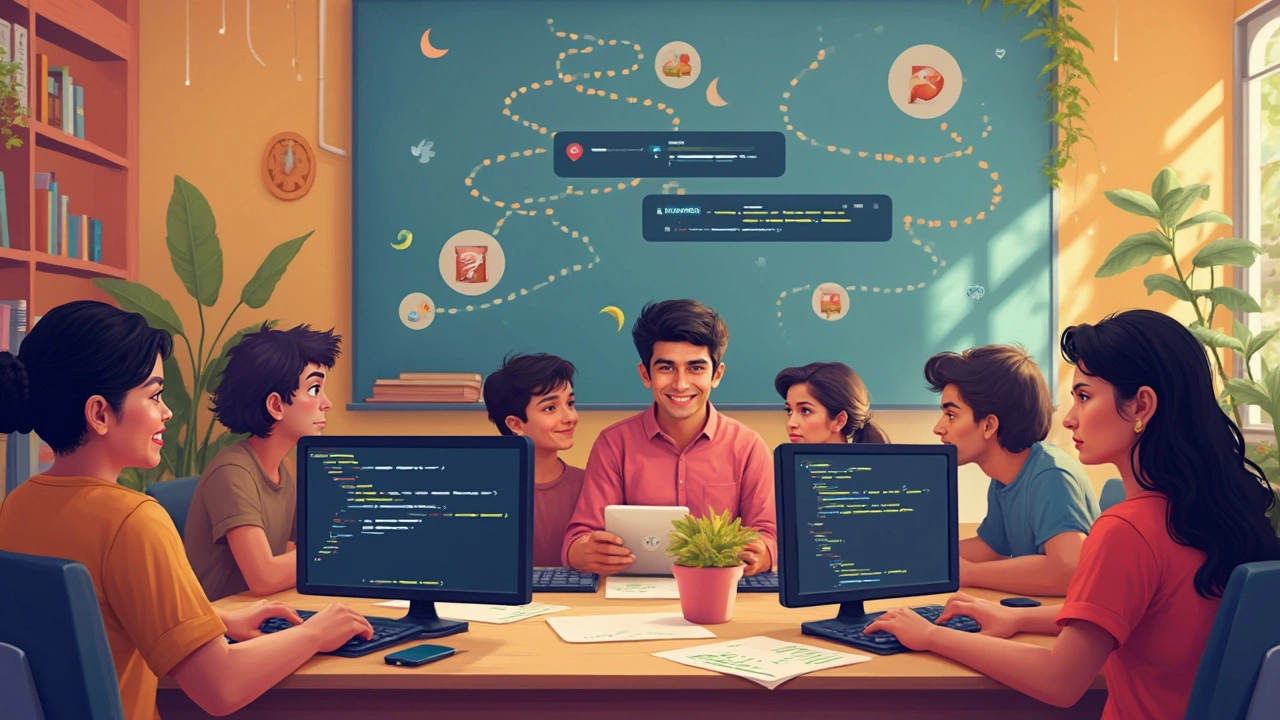
When you sign up for coding classes, structured learning experiences that teach how to write instructions computers understand. Also known as programming courses, they’re not just about typing symbols—they’re about learning how to break down problems and build solutions from scratch. Most people think coding is about memorizing commands, but the real skill is learning how to think when things break—which happens a lot.
Python, a beginner-friendly programming language used in web development, data science, and automation, shows up in half the posts here because it’s the most common starting point. But coding classes also cover other languages like C++, a complex language often used in game engines and high-performance systems, and even Assembly, a low-level language that talks directly to hardware. The goal isn’t to master every language—it’s to learn how to learn them. Once you understand logic, structure, and debugging, switching between languages becomes easier.
Coding classes connect directly to real jobs. Python developer, a job title for someone who writes software using Python, often in tech, finance, or research roles pay well, but only if you can solve actual problems—not just pass a quiz. That’s why the hardest part of coding isn’t syntax, it’s staying calm when your code crashes for the tenth time and figuring out why. The posts below show you what’s really taught in these classes: how to debug, how to pick the right tool, and how to turn frustration into progress.
Some people think you need a degree to get into coding. The posts here prove otherwise. You don’t need to be a math genius or have a computer science background. You just need patience, curiosity, and the willingness to keep going when nothing works. Whether you’re looking to switch careers, build your own app, or just understand how tech works, coding classes give you the tools. What you do after that—whether it’s landing a job, freelancing, or building something personal—is up to you.
The collection below includes real stories from people who’ve been through this: what worked, what didn’t, and what no one tells you before you start. You’ll find insights on salaries, the toughest parts of learning, which platforms actually help, and how to avoid wasting time on the wrong lessons. This isn’t theory. It’s what happens when real people sit down, type their first line of code, and keep going.








Popular Post

College vs. Vocational Training: Key Differences for Your Career
11 September 2026