Learning Path Finder: Classroom vs. Distance
Not sure which educational path fits your lifestyle? Answer these 5 questions to find your ideal learning environment.
Your Ideal Match:
Quick Summary: The Trade-off
- Classroom Learning: Best for those who need social accountability, immediate feedback, and hands-on tactile experience.
- Distance Learning: Ideal for self-disciplined individuals, working professionals, and those needing to balance a budget or a tight schedule.
- The Verdict: Neither is objectively 'better'; the choice depends on your personality, the subject matter, and your current life stage.
The Traditional Classroom Experience
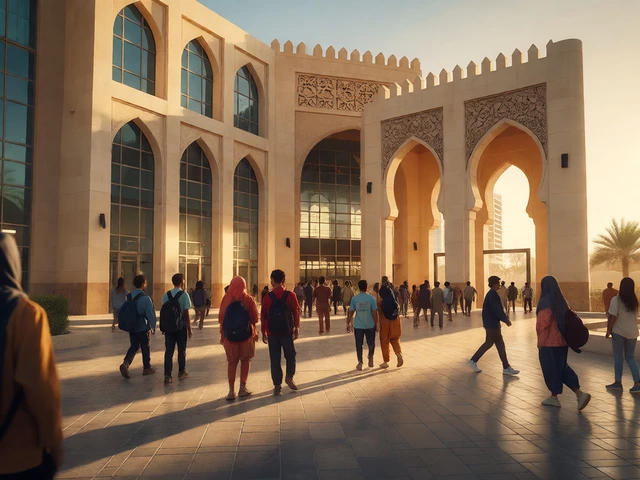
When we talk about classroom education is a formal learning environment where students and instructors interact face-to-face in a physical location. This isn't just about the desks and whiteboards; it's about the social ecosystem. In a physical room, you get non-verbal cues. You can see when a professor is genuinely excited about a topic or when a classmate is confused. That instant feedback loop is something digital tools still struggle to mimic perfectly.
Think about a chemistry lab. You can watch a thousand videos on how to titrate a solution, but until you actually hold the flask and see the color change in real-time, you aren't really learning the physical nuance of the task. This is where the traditional model wins. It provides a structured environment that forces a level of discipline. If you're the type of person who needs a bell to ring to know it's time to focus, the physical campus is your best bet.
However, this structure comes with a cost-literally. Commuting, campus housing, and the lack of flexibility mean that your entire life revolves around the school's schedule. If you have a full-time job or kids, the traditional model can feel like a cage rather than a support system.
The Rise of Distance Learning
On the other side of the coin, we have distance learning is an educational process where students and instructors are physically separated, utilizing technology to deliver instruction. This has evolved far beyond just reading PDFs and emailing a teacher. We now have synchronous learning (live video calls) and asynchronous learning (pre-recorded modules), allowing students to consume content at their own pace.
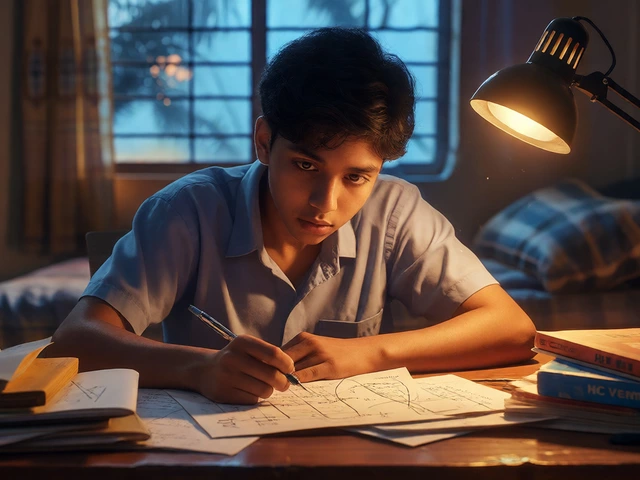
The biggest win here is autonomy. If you're a "night owl" who does their best thinking at 2 AM, you don't have to fight your biology to fit into a 9 AM lecture. You can pause a complex video on quantum physics, go grab a coffee, and then rewind the part you didn't understand. This level of control over the distance learning experience often leads to better retention for students who struggle with the pace of a live lecture.
But there's a catch: the "Isolation Gap." When you're learning from a screen, you lose the spontaneous "hallway conversations" where some of the best networking and brainstorming happen. Without a physical community, many students find themselves battling burnout and a sense of loneliness, which can lead to higher dropout rates if they don't intentionally build a digital support network.
Comparing the Logistics
If we look at the raw data of how these two systems operate, the differences become stark. One is built on synchronization, and the other is built on flexibility.
| Attribute | Classroom Education | Distance Learning |
|---|---|---|
| Cost | Higher (Commute, Housing) | Lower (Digital materials, no travel) |
| Pacing | Fixed by the instructor | Student-driven / Flexible |
| Networking | Organic and high-touch | Intentional and digital |
| Discipline | Externally imposed | Internally driven (Self-starter) |
| Feedback | Immediate / Non-verbal | Delayed / Text-based or Video |
The Psychology of Learning
Different subjects require different delivery methods. Let's be honest: trying to learn surgery or high-end culinary arts purely through a screen is nearly impossible. These fields require kinesthetic learning is a learning style where the student carries out physical activities rather than simply listening or watching. You need to feel the resistance of the knife or the texture of the fabric.
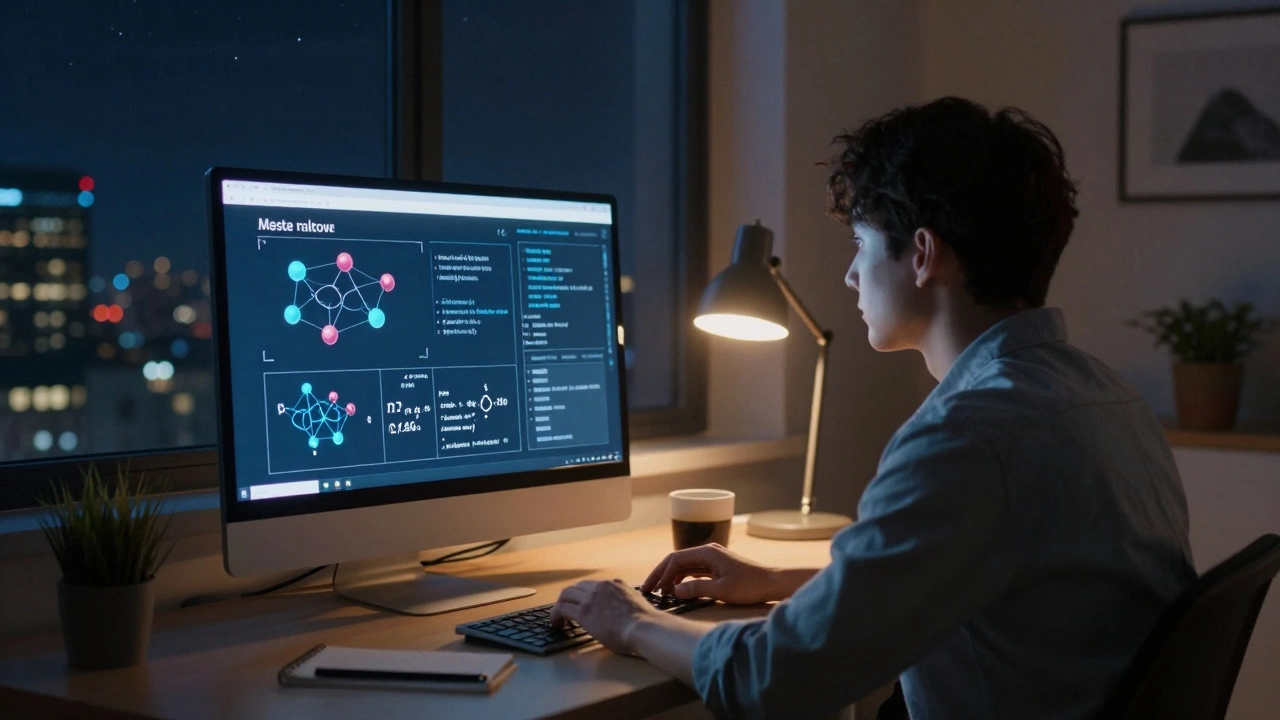
Conversely, for subjects like Computer Science, Data Analysis, or Digital Marketing, the classroom is almost redundant. Why sit in a room when you're going to be staring at a laptop for 90% of the course anyway? In these cases, distance learning isn't just a convenient alternative; it's often the superior environment because it mirrors the actual workplace. Most software engineers today work in distributed teams using tools like Slack is a channel-based messaging platform used for professional team communication and Zoom is a video conferencing tool used for virtual meetings and webinars. Learning in a digital environment prepares you for the actual job.
The real danger in distance learning is the "illusion of competence." It's easy to watch a video and feel like you understand a concept, but without the immediate pressure of a classroom Q&A or a hands-on lab, you might not realize you've missed a critical piece of the puzzle until the final exam hits.
Choosing Your Path: A Decision Framework
So, how do you actually decide? It's not about which system is better, but which one fits your current identity. Ask yourself these three questions:
- Do I struggle with procrastination? If you can't start a project without someone reminding you every few days, the structure of a classroom is a lifesaver. If you're a self-starter who hates being told when to work, distance learning will feel like freedom.
- What is my primary goal? If you're looking for a degree and a network of lifelong friends and mentors, go to campus. If you're looking to upskill for a promotion while keeping your current paycheck, go digital.
- How do I process information? Do you need to talk through ideas out loud with people to "get" them? Or do you prefer to read, reflect, and then apply?
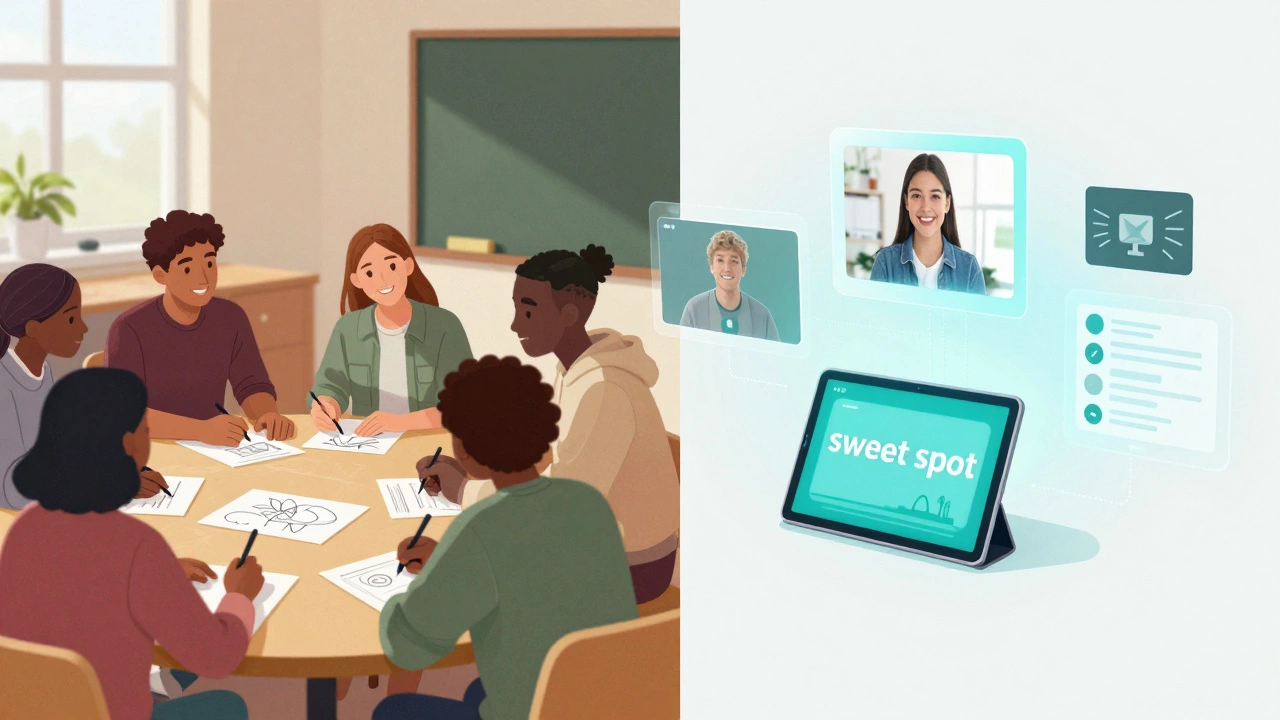
Many modern institutions are now moving toward hybrid learning is an educational approach that combines online digital media with traditional classroom methods. This is often the "sweet spot." You get the flexibility of watching lectures at home, but you meet once a week for a high-intensity workshop or a networking event. It removes the fatigue of the daily commute while keeping the social spark alive.
Is a distance learning degree viewed as "lesser" by employers?
In 2026, the stigma has largely vanished. Employers now care more about the accreditation of the institution and the specific skills you can demonstrate. In tech and business, a degree from a reputable online program is often seen as a sign of strong time-management and self-discipline skills.
How can I stay motivated during online courses?
The secret is creating a "sacred space." Don't study in bed; your brain associates the bed with sleep. Use a dedicated desk and a set schedule. Additionally, join a study group via Discord or LinkedIn to recreate the social accountability of a classroom.
Are there hidden costs in distance learning?
Yes. While you save on gas and rent, you may need to invest in a high-quality laptop, a reliable high-speed internet connection, and ergonomic furniture. If you're doing a technical course, you might also need to pay for specific software licenses that were previously provided by a campus lab.
Which is better for children and teenagers?
For K-12 education, classroom learning is almost always superior. Younger students need social-emotional development, peer interaction, and direct supervision to build foundational habits. Distance learning is an excellent supplement for high schoolers taking advanced courses not offered at their local school, but it shouldn't replace the social core of early education.
Can I switch from distance learning to a classroom setting mid-way?
Many universities now offer "flexible pathways" that allow you to swap modes. However, this depends on the program's credits and availability. Always check the university's transfer policy regarding "online vs. on-campus" credits before enrolling.
Next Steps for Your Education
If you're still torn, try a "micro-test." Before committing to a four-year degree or a master's program, take a short 4-week certification course on a platform like Coursera or edX. If you find yourself ignoring the videos and missing deadlines, you'll know that you need the external pressure of a physical classroom. If you breeze through it and love the pace, you've found your match in distance education.