Python Learning Timeline Estimator
Quick Reference Guide
- 1-2 Weeks Basic Syntax
- 1-3 Months Intermediate Proficiency
- 6-12 Months Job-Ready Competence
- 2+ Years Advanced Mastery
Tip: Consistent daily practice of 30 minutes yields better results than 5 hours once a month.
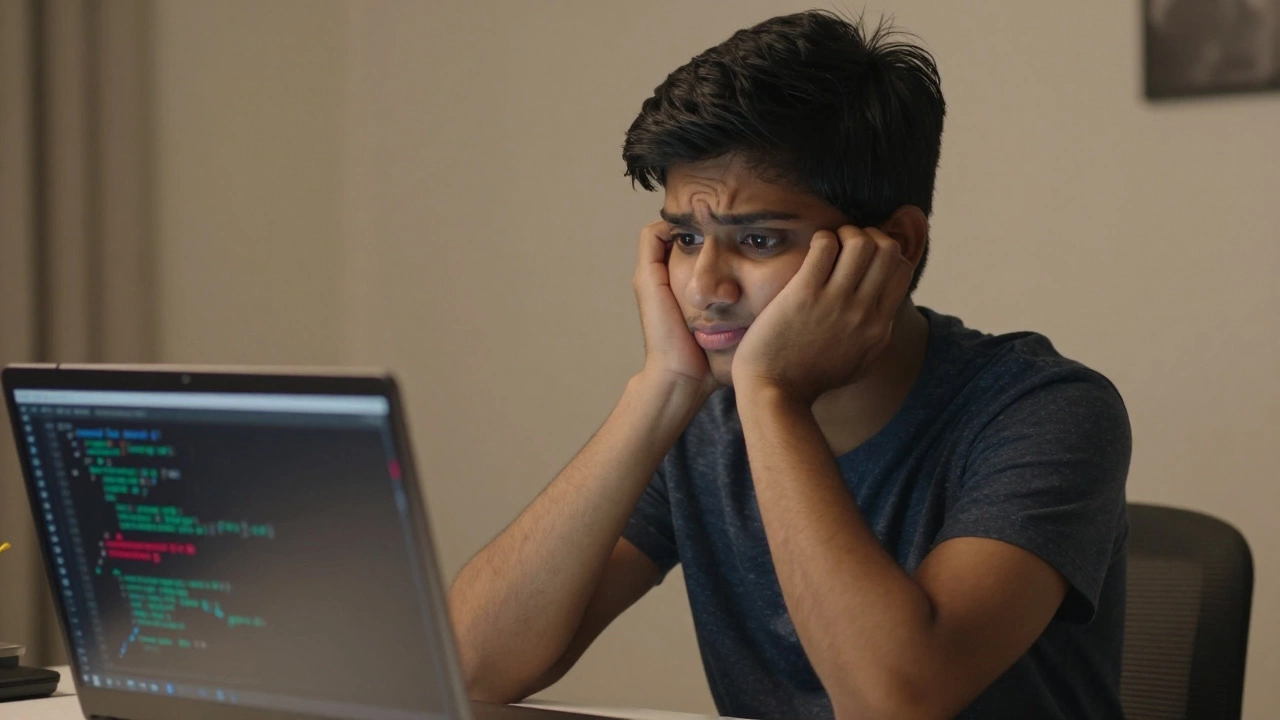
You’ve probably heard the hype. People say Python is the easiest language to start with. They claim you can build an app in a weekend or automate your boring tasks by Monday morning. But when you actually sit down to write code, it feels different. The screen stares back at you. Indentation errors pop up. You wonder if you’re just not cut out for this.
Here’s the truth: Python isn’t magic. It’s not hard in the way C++ or Java can be, but it’s not effortless either. Whether Python feels difficult depends on what you’re trying to do and how you approach learning. If you want to know if you should bother, keep reading. We’ll break down why Python has become the go-to choice for beginners, where the real hurdles lie, and how to get past them without burning out.
Why Python Feels Easier Than Other Languages
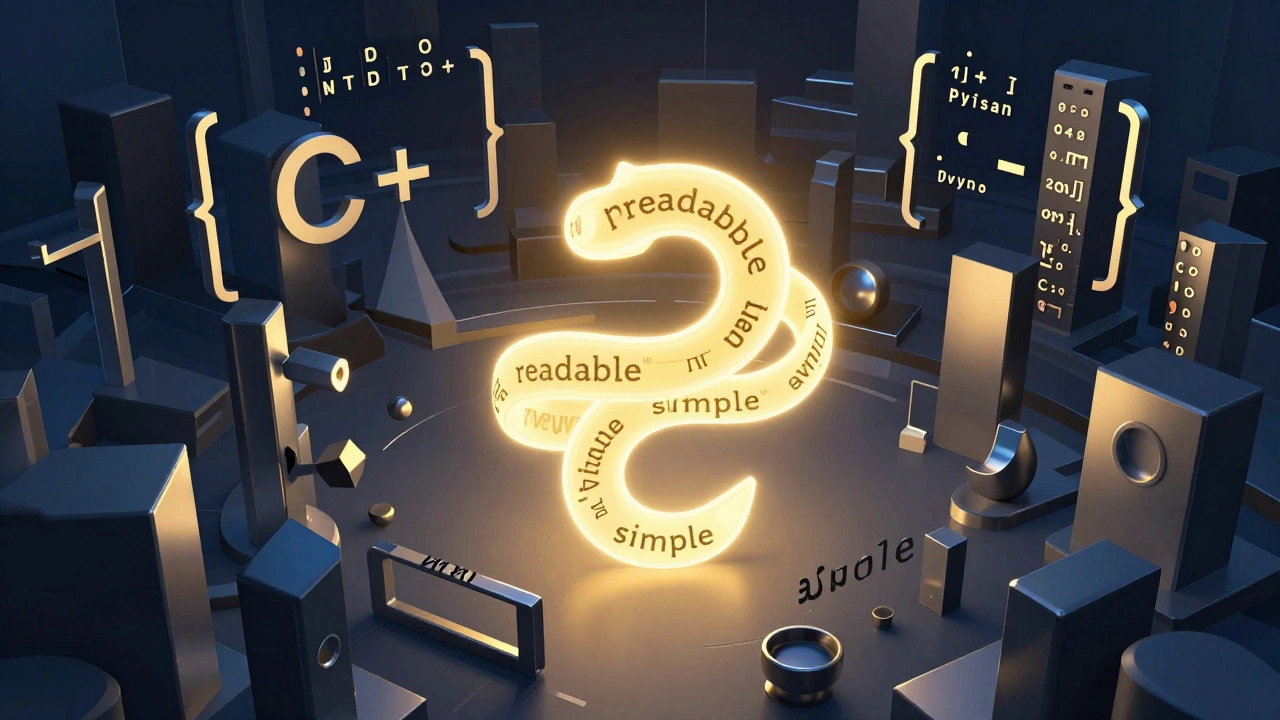
When people ask if Python is hard, they usually compare it to older languages like C, Java, or JavaScript. Python was designed with readability in mind. Its creator, Guido van Rossum, wanted a language that read like plain English. That design choice makes a huge difference for new learners.
In most languages, you have to tell the computer exactly what type of data every variable holds. In Python, the system figures that out for you. You don’t need to declare variables before using them. You don’t need semicolons at the end of every line. Instead of curly braces to group code blocks, Python uses indentation. This forces clean formatting and reduces syntax clutter.
| Feature | Python | Java | JavaScript |
|---|---|---|---|
| Variable declaration required | No | Yes | No (but complex) |
| Semicolons needed | No | Yes | Optional |
| Code block structure | Indentation | Curly braces | Curly braces |
| Error messages clarity | High | Medium | Low to Medium |
| Built-in libraries | Extensive | Moderate | Depends on environment |
This simplicity means you spend less time fighting syntax and more time thinking about logic. For someone who’s never coded before, that’s a game-changer. You can focus on solving problems instead of memorizing rules.
The Hidden Challenges of Learning Python
Just because Python is easy to read doesn’t mean it’s easy to master. There are specific pain points that trip up even motivated beginners. Understanding these early will save you weeks of frustration.
Indentation sensitivity: Python relies on whitespace to define code structure. Miss one space, and your program crashes. This seems simple until you copy-paste code from a tutorial and nothing works. The issue isn’t your logic-it’s invisible characters messing up alignment.
Dynamic typing confusion: Since Python lets variables change types on the fly, you might assign a number to a variable and later treat it as text. This flexibility causes bugs that are hard to trace. In strongly typed languages, the compiler catches these mistakes early. In Python, they show up during execution.
Over-reliance on tutorials: Many beginners watch video after video without writing their own code. Watching someone else solve a problem feels productive, but it doesn’t build muscle memory. When you try to write something original, you freeze because you haven’t practiced making decisions.
Library overwhelm: Python’s strength-its massive ecosystem-is also its weakness for newcomers. Want to process images? There’s a library. Want to scrape websites? Another library. Want to analyze stock prices? Yet another. Choosing which tool fits your project takes experience you don’t have yet.
What Makes Python Worth the Effort?
If Python had no advantages, nobody would recommend it. The reason millions choose it first comes down to practical benefits that compound over time.
Job market demand: According to recent industry reports, Python ranks among the top three most requested programming skills globally. Companies use it for web development, data analysis, artificial intelligence, automation, and scientific computing. Learning Python opens doors to roles like software engineer, data scientist, machine learning specialist, and DevOps technician.
Community support: The Python community is famously welcoming. Newcomers find detailed documentation, active forums, and countless free resources. When you hit a wall, chances are someone else solved it yesterday and posted the solution online.
Transferable concepts: Once you understand loops, conditionals, functions, and objects in Python, switching to another language becomes much easier. The core ideas stay the same; only the syntax changes. Python teaches you how to think like a programmer, not just how to type commands.
Rapid prototyping: Need to test an idea quickly? Python lets you build working prototypes in hours rather than days. This speed encourages experimentation, which leads to faster learning through trial and error.
How Long Does It Take to Learn Python?
There’s no single answer here because “learning” means different things to different people. Let’s define realistic milestones based on actual usage patterns.
- Basic syntax (1-2 weeks): You can write simple scripts, handle user input, perform calculations, and use basic control structures like if-statements and loops.
- Intermediate proficiency (1-3 months): You understand functions, modules, file handling, error management, and object-oriented basics. You can complete small projects independently.
- Job-ready competence (6-12 months): You work confidently with frameworks like Django or Flask, manipulate data with Pandas, deploy applications, and debug complex issues.
- Advanced mastery (2+ years): You contribute to open-source projects, optimize performance-critical code, design scalable architectures, and mentor others.
These timelines assume consistent practice-about 5-10 hours per week. Cramming won’t help. Programming requires repetition and reflection. Your brain needs time to internalize patterns.
Common Mistakes That Slow Down Progress
Even dedicated learners stumble into traps that waste time and drain motivation. Avoiding these common pitfalls keeps you moving forward efficiently.
Tutorial hell: Consuming endless videos without building anything creates false confidence. You recognize solutions but can’t generate them. Break the cycle by starting a personal project immediately-even if it’s tiny.
Copypasting without understanding: Copying code snippets saves time short-term but destroys long-term growth. Read each line. Ask why it exists. Modify it slightly to see what breaks.
Avoiding debugging: Errors aren’t failures-they’re feedback. Reading stack traces carefully teaches you more than any textbook. Learn to interpret error messages instead of panicking.
Skipping fundamentals: Jumping straight into AI libraries without grasping lists, dictionaries, and loops leaves gaps in your foundation. Build strong basics before adding complexity.
Isolating yourself: Coding alone limits perspective. Join communities, share progress, ask questions. Explaining your thought process aloud often reveals flaws instantly.
Practical Steps to Start Learning Python Today
Ready to begin? Here’s a streamlined path that balances theory with hands-on practice.
- Set up your environment: Install Python from python.org. Use VS Code or PyCharm as your editor. Both offer excellent debugging tools and autocomplete features.
- Learn core syntax: Focus on variables, data types, operators, conditionals, loops, and functions. Write small programs that calculate tips, convert temperatures, or guess numbers.
- Build mini-projects: Create a todo list manager, a password generator, or a simple calculator. These reinforce concepts while giving tangible results.
- Explore standard libraries: Experiment with os, sys, json, datetime, and random. Understanding built-in tools reduces dependency on external packages early on.
- Join a community: Participate in Reddit’s r/learnpython, Stack Overflow, or local meetups. Engaging with peers accelerates problem-solving skills.
- Contribute to open source: Look for beginner-friendly GitHub repositories labeled “good first issue.” Contributing builds portfolio credibility and exposes you to professional workflows.
Consistency beats intensity. Thirty minutes daily yields better results than five hours once a month. Track your progress, celebrate small wins, and adjust course when stuck.
Should You Choose Python Over Other Languages?
Not always. While Python excels in many areas, other languages serve specific niches better. Consider alternatives if your goals align closely with their strengths.
Choose JavaScript if: You want to build interactive websites or full-stack web applications. JavaScript runs natively in browsers and powers front-end frameworks like React and Vue.
Choose C# if: You aim to develop Windows desktop apps, Unity games, or enterprise-level backend systems. Microsoft’s ecosystem offers robust tooling and corporate backing.
Choose Go if: Performance matters heavily, especially for concurrent network services. Google developed Go for speed and simplicity in distributed systems.
Stick with Python if: You value versatility, rapid development, and broad career opportunities. It handles everything from scripting to machine learning with minimal friction.
Your choice shouldn’t come from fear of missing out. Pick the language that matches your immediate objectives. You can always expand later.
Is Python really the easiest programming language to learn?
Python is widely considered the most beginner-friendly due to its readable syntax and forgiving nature. However, ease depends on individual background and learning style. Some visual thinkers prefer Scratch or Blockly initially, while mathematically inclined users may adapt quickly to pseudocode-like languages. Python strikes a balance between accessibility and power, making it ideal for diverse audiences.
Can I learn Python completely online?
Absolutely. Platforms like Coursera, edX, freeCodeCamp, and Codecademy offer structured courses ranging from introductory to advanced levels. Combine formal instruction with self-directed projects and community engagement for optimal results. Online learning provides flexibility but demands discipline.
Do I need prior coding experience to start Python?
No. Python serves as an excellent entry point for absolute beginners. Its intuitive structure allows newcomers to grasp fundamental programming concepts without overwhelming technical jargon. Prior exposure helps accelerate comprehension but isn’t mandatory.
How does Python compare to JavaScript for beginners?
Python generally presents fewer initial obstacles thanks to cleaner syntax and clearer error messages. JavaScript introduces browser-specific quirks and asynchronous behavior earlier in the journey. Choose Python for general-purpose programming and data-focused careers; pick JavaScript if web development interests you primarily.
Will knowing Python guarantee me a job?
Knowing Python increases employability significantly but doesn’t guarantee employment alone. Employers seek demonstrated skills through portfolios, contributions, certifications, and problem-solving abilities. Pair Python knowledge with practical projects and networking efforts to maximize hiring prospects.