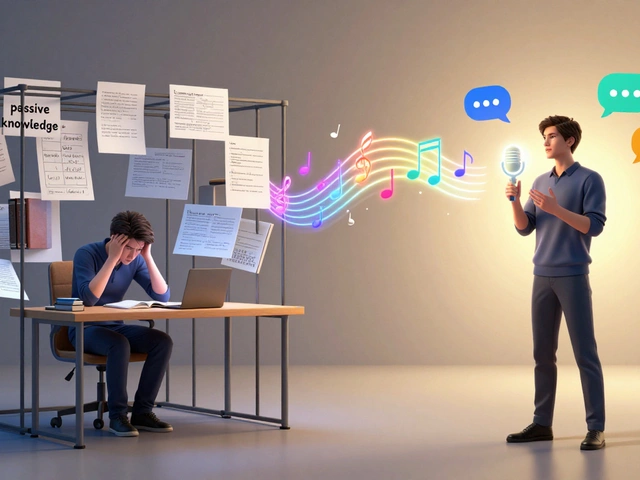
Competitive Exams: What Makes Them So Hard and How to Tackle Them
When we talk about competitive exams, high-stakes tests that determine access to top careers, institutions, or government roles. Also known as entrance examinations, they’re not just about knowing facts—they’re about outperforming thousands under pressure. These aren’t your average school tests. They’re the gatekeepers to careers like civil service, medicine, law, and engineering. In India alone, over 2 million students take exams like the UPSC Civil Services, the country’s most selective government recruitment exam, with less than 0.5% passing each year. In the U.S., the USMLE, the medical licensing exam that every doctor must pass to practice has a pass rate around 94% for first-timers—but that’s only after years of grueling study and multiple attempts for many.
What makes these exams so brutal? It’s not just the volume of material. It’s the clock, the competition, and the weight of expectations. The LSAT, the law school entrance test that measures logical reasoning and reading comprehension, not legal knowledge, doesn’t ask you to memorize statutes. It asks you to think like a lawyer under time pressure. The MCAT, the medical school exam that blends biology, chemistry, psychology, and critical analysis, is over seven hours long. And then there’s the IIT-JEE, India’s engineering entrance exam that narrows down over a million applicants to just 10,000 seats. These aren’t just tests—they’re endurance events that test your mental stamina, emotional control, and daily discipline.
And here’s the thing: what makes one person crumble, another thrives on. It’s not always about being the smartest. It’s about mindset, routine, and how you handle failure. Some people prep for years. Others crack it in one shot. The difference? Strategy, not luck. That’s why this collection dives into what’s really going on—why the UPSC feels like a life sentence, how the USMLE breaks people down, why the hardest math isn’t in the U.S. or the U.K., and whether any competitive exam is truly "easy." You’ll find real stories, hard numbers, and no-nonsense advice from people who’ve been there. Whether you’re just starting out or stuck in a rut, what follows isn’t theory. It’s the raw, practical truth about surviving—and winning—these tests.











Popular Post