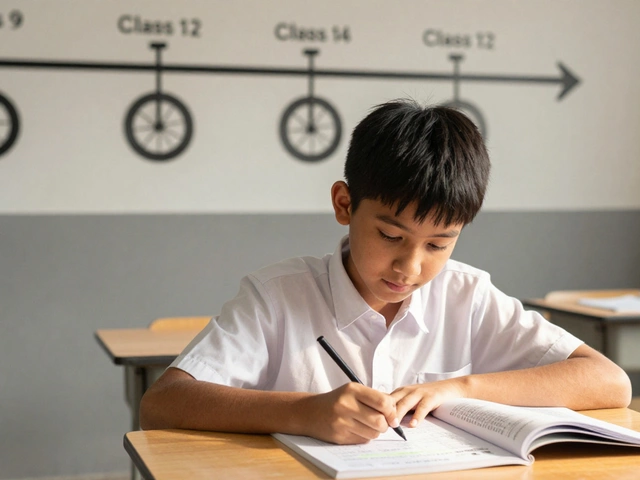
Synchronous Learning: What It Is and How It Works in Indian Schools
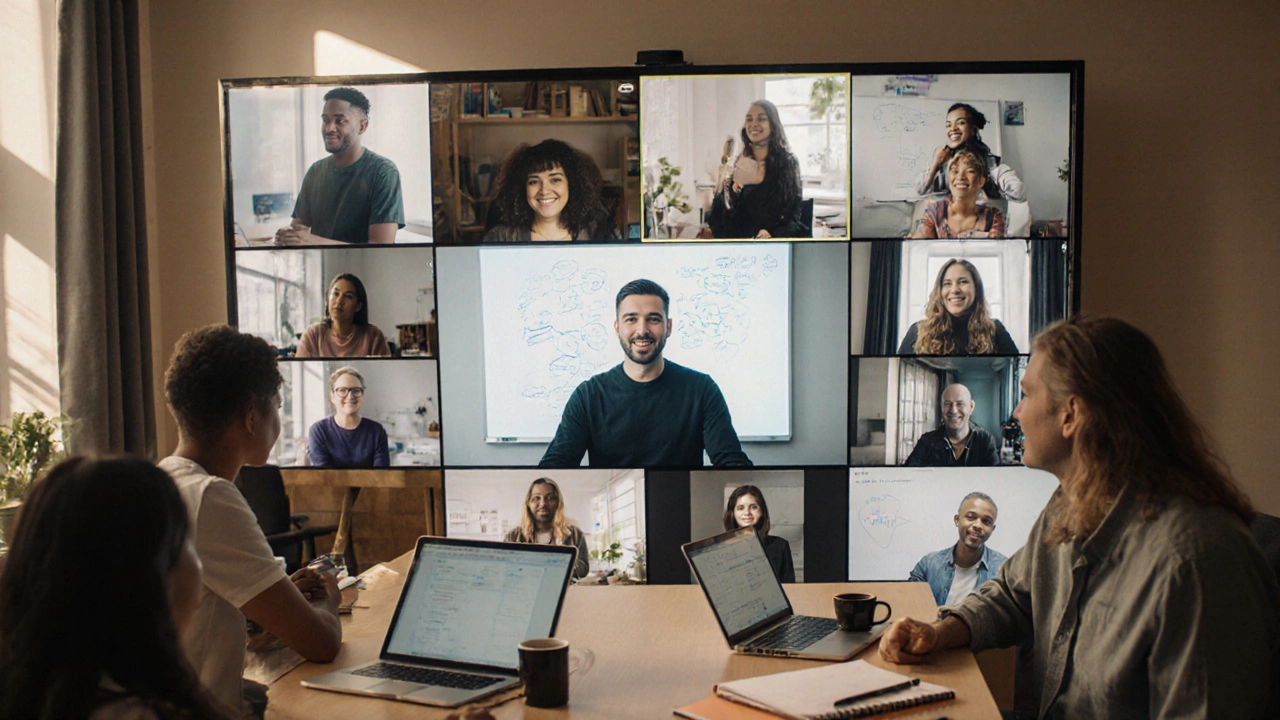
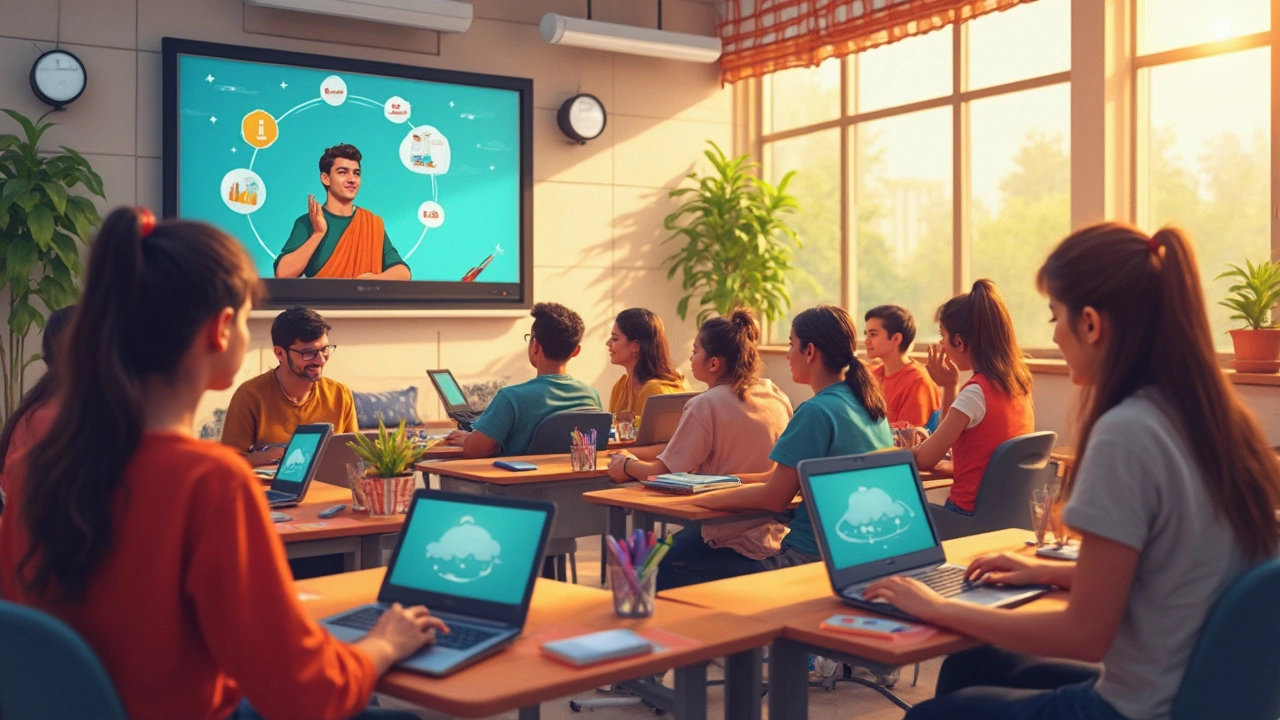
When you join a live class on synchronous learning, a type of education where students and teachers interact in real time. Also known as real-time education, it’s the digital version of sitting in a classroom together—whether you’re in Delhi or Dimapur. This isn’t just about watching a video. It’s about asking questions, getting instant feedback, and feeling like you’re part of a group—even if you’re on your phone in a small room.
Synchronous learning relies on tools like Google Classroom, a platform used by schools across India to host live sessions and assignments, Zoom, or Microsoft Teams. These aren’t just apps—they’re the new blackboards. Teachers use them to explain tough concepts, run quizzes on the spot, and even call on students by name. It’s how NEET coaching centers like Allen and Aakash keep their batches engaged, even when students are scattered across the country. And it’s why, in 2025, Google Classroom still leads the pack: simple, free, and built for real-time interaction.
But synchronous learning isn’t perfect. It needs good internet, a quiet space, and a schedule that works for everyone. That’s why many schools mix it with distance education, learning that doesn’t require everyone to be online at the same time. Still, when you’re preparing for UPSC or JEE, having your teacher explain a problem live? That’s priceless. You get the energy of a classroom, the structure of a schedule, and the accountability of being seen. No one can skip a live class and pretend they didn’t miss anything.
What you’ll find below are real stories from students and teachers who’ve lived this. From how NV Sir’s live physics sessions helped students crack NEET, to why some families in Dubai prefer synchronous classes over India’s rigid CBSE model. You’ll see which platforms actually work, what breaks down during power cuts, and why some students thrive in live sessions while others zone out. This isn’t theory. It’s what’s happening in homes, coaching centers, and small-town schools across India right now.
Popular Post