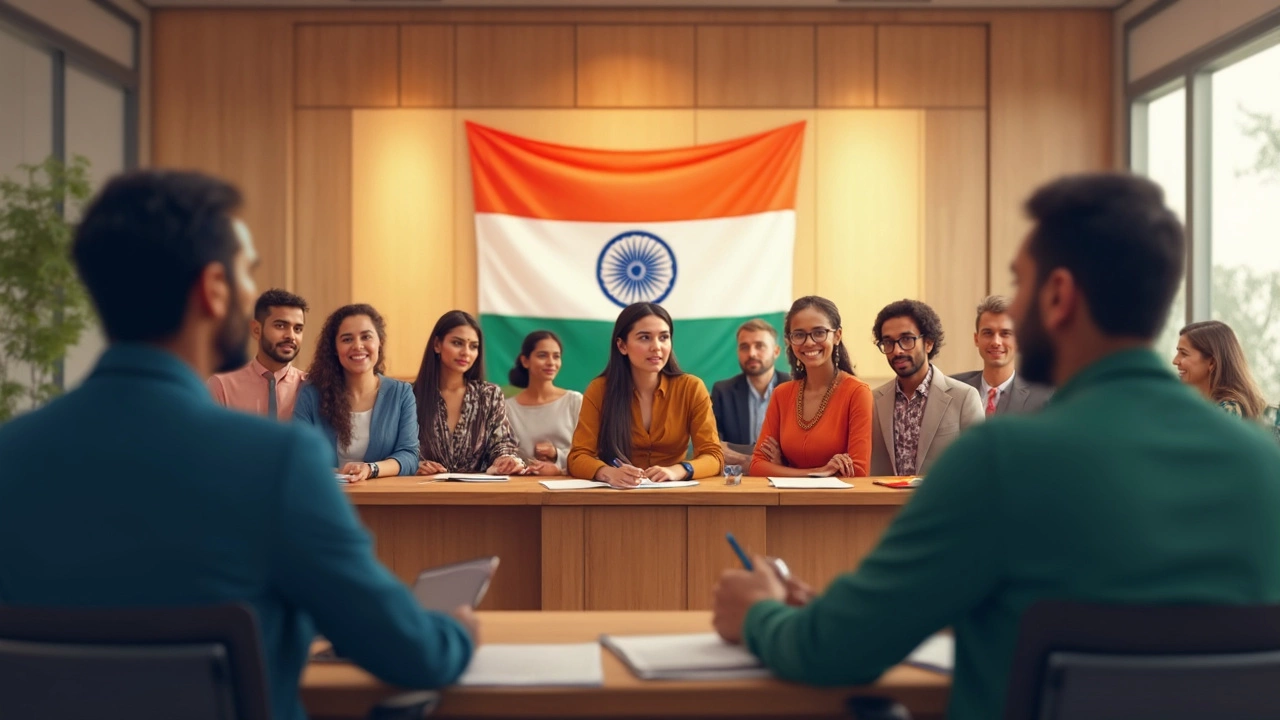
Government Job Interviews: How to Prepare and Win in India
When you’re aiming for a government job interview, a high-stakes evaluation for public sector roles in India, often following competitive exams like UPSC or state services. Also known as civil services interview, it’s not just about what you know—it’s about how you think under pressure, how you speak, and whether you can show you belong in a position of public trust. This is where most candidates fail, even after clearing the written exam. The interview isn’t a test of memory. It’s a test of character, clarity, and composure.
India’s UPSC Civil Services, the most competitive and stressful exam system in the country, with interviews that can decide a candidate’s entire future sets the standard. But state-level jobs—like police, revenue officers, or education department roles—follow similar patterns. Interviewers don’t want rehearsed answers. They want real people who can handle ambiguity, think on their feet, and connect their knowledge to real-world problems. They’re watching how you react when asked about current events, your hometown’s infrastructure, or why you chose public service over a private-sector salary.
What you need isn’t a perfect resume. It’s consistency. It’s the ability to speak plainly, admit when you don’t know something, and still sound confident. Many candidates lose because they try to sound like textbooks. The best performers sound like they’ve lived what they’re talking about. If you’ve volunteered in your community, worked with local officials, or followed how policies affect your family—you already have material. You just need to connect it.
The competitive exam interviews, a category of selection processes that combine written tests with oral assessments for public sector positions are not random. They follow themes: governance, ethics, current affairs, and personal motivation. You’ll be asked why you want this job, how you’d handle corruption, or what you’d do if your boss gave you an illegal order. These aren’t trick questions. They’re filters. They’re meant to find people who won’t break under pressure, who won’t cut corners, and who actually care about public service.
And it’s not just about answers. It’s about presence. Your posture, eye contact, and tone matter more than you think. A calm voice, even when nervous, says more than a perfect answer delivered with shaking hands. Many top scorers in the written exam get rejected because they panic when the panel asks, "Tell me about yourself." That’s not a question about your resume. It’s a question about your identity.
You’ll find real stories below—from people who cracked the UPSC interview after two failures, from candidates who turned a weak background into a strength, and from those who failed because they memorized answers instead of building understanding. Some used coaching. Others studied alone. Some came from big cities. Others from villages with no internet. What they all had in common? They didn’t try to impress. They tried to connect.
These aren’t theoretical tips. These are the patterns that show up again and again in the interviews that matter. Whether you’re preparing for a state PSC, SSC, or UPSC, the rules are the same. Be real. Be clear. Be ready to think, not just recite.