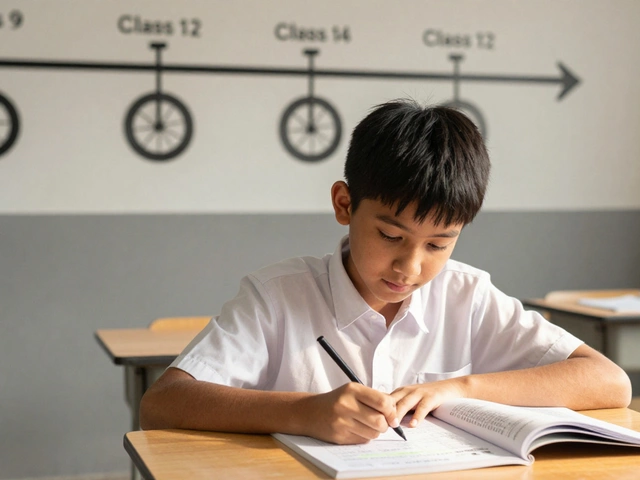
Global Education Difficulty: Why Some Systems Are Harder Than Others
When we talk about global education difficulty, the intensity and pressure students face in different countries’ schooling systems. Also known as educational competitiveness, it’s not just about how much you learn—it’s about how much you’re expected to endure. In places like India, the pressure isn’t theoretical. It’s daily. It’s financial. It’s societal. And it’s measured in thousands of students competing for a few thousand seats in medical or engineering colleges.
This kind of pressure doesn’t happen by accident. It’s built into systems where a single exam—like the NEET exam, India’s national medical entrance test—can decide your future. Or the JEE preparation, the grueling path to get into India’s top engineering institutes, where students study 12 hours a day for years. Then there’s the UPSC Civil Services, the most stressful exam in the world, according to global reports, where candidates spend years preparing, often sacrificing relationships, health, and income just for a shot at a government job.
These aren’t just tests. They’re gauntlets. And they’re not isolated. They connect to everything: coaching centers like Allen and Aakash, the rise of online learning platforms like Google Classroom, the mental toll on students, even the salary expectations after you finally pass. The difficulty isn’t just in the syllabus—it’s in the system. The expectations. The lack of backup plans. The fact that failure isn’t just disappointing—it can feel like personal collapse.
Compare that to countries where education is more flexible, where failure doesn’t mean you’re a disappointment, and where multiple paths lead to success. That contrast is what makes global education difficulty such a raw, real topic. It’s not about which country is better. It’s about which system demands the most from its kids—and why.
Below, you’ll find real stories and breakdowns from students who’ve been through it. From which coaching institute actually works, to how much sleep you really need, to whether coding or competitive exams are harder to survive. These aren’t theories. These are experiences. And they’re all part of the same story: what it truly takes to succeed in a world that doesn’t make it easy.
Popular Post