Education Tools: What Actually Works for Students and Teachers in India
When you think of education tools, digital resources that help students learn, teachers teach, and parents support progress. Also known as learning technologies, these are no longer optional—they’re the backbone of how learning happens today. Whether you’re a student cramming for NEET, a parent trying to help with homework, or a teacher managing online classes, the right tools make all the difference.
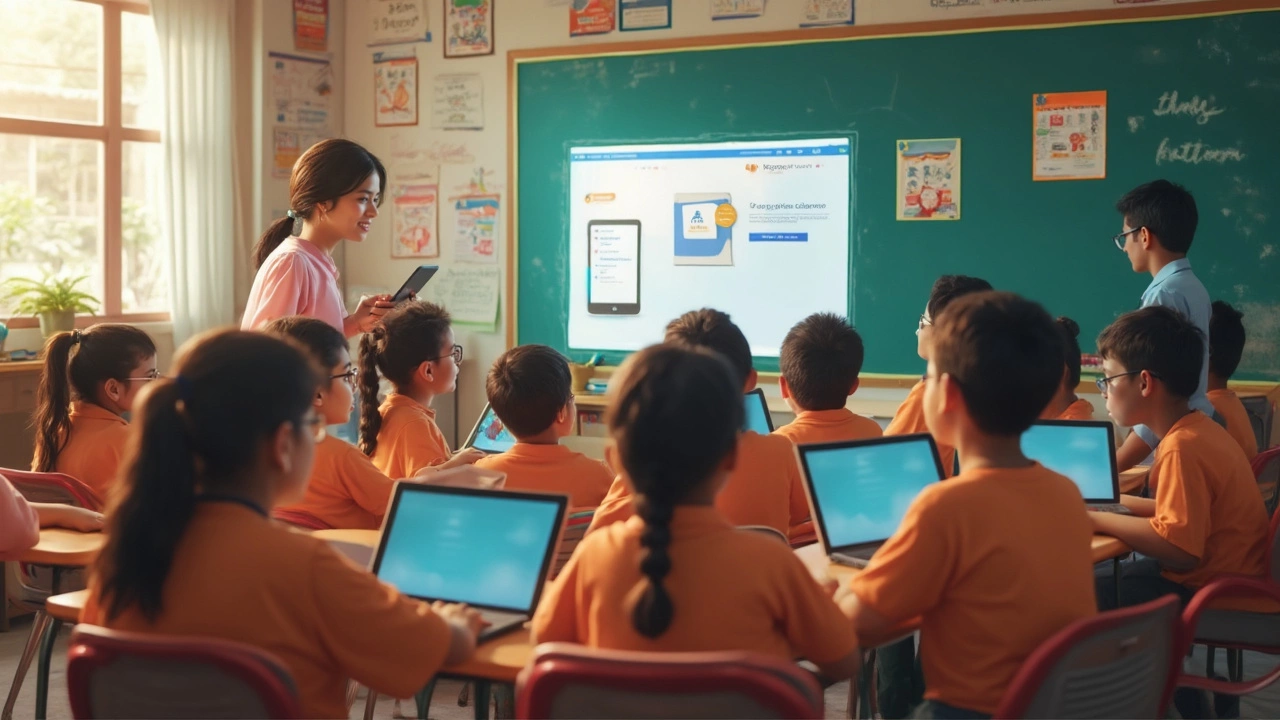
Not all education tools are created equal. Google Classroom, a free, easy-to-use platform trusted by schools across India for assignments, grading, and communication dominates because it just works—no training needed, no fees, no crashes. Meanwhile, NEET coaching platforms, like Allen and Aakash’s digital portals, offer video lectures, mock tests, and doubt-solving sessions that many students rely on more than their school syllabus. And if you’re trying to improve English, English speaking apps, such as Duolingo, ELSA Speak, or YouTube channels like Learn English with Emma give you daily practice without paying for private tutors.
What makes a good education tool? It’s not flashy design or big marketing. It’s reliability. It’s something you can open at 2 a.m. before an exam and actually understand. It’s something your teacher uses consistently, not just once a week. The best tools fit into your real life—whether that’s squeezing in 15 minutes of physics practice on your phone during bus rides, or using a free platform like Google Classroom to submit assignments when your internet is slow.
Some tools help you study. Others help you survive the stress. The UPSC aspirant who sleeps 6 hours a night and uses a Pomodoro timer app isn’t just being efficient—they’re protecting their mental health. The student using NV Sir’s YouTube videos to crack tough physics problems isn’t just watching content—they’re finding a teacher who speaks their language. These aren’t just apps or websites. They’re lifelines.
And the truth? You don’t need every tool. You need the right three. One for learning (like Google Classroom or a coaching app), one for practice (like an English speaking app or a coding simulator), and one for tracking progress (a simple checklist or a free planner). The rest is noise.
In this collection, you’ll find real reviews and comparisons—not hype. We’ve looked at what actually gets results: which coaching institute’s app keeps students engaged, which online platform pays teachers the most, which English app helps someone go from shy to fluent in 90 days, and why Google Classroom beats Zoom for daily school use. You’ll also see what’s missing—like how few tools help with sleep schedules for JEE aspirants, or how little support exists for parents trying to understand the CBSE vs Dubai curriculum.
These aren’t just tools. They’re choices. And the right choice can change your entire learning path.