Bar Exam: What It Is, Who Takes It, and How It Connects to India’s Competitive Education Scene
When someone says bar exam, a standardized test that licenses lawyers to practice law in a specific jurisdiction. Also known as lawyer licensing exam, it is the gatekeeper to the legal profession in countries like the U.S., Canada, and Australia. It’s not just about memorizing laws—it’s about thinking like a lawyer under pressure, spotting issues in messy real-world scenarios, and writing clearly when your future depends on it.
Many people assume the bar exam is only an American thing. But here’s the truth: India doesn’t have one. Instead, the Bar Council of India, the statutory body that regulates legal education and practice in India runs the All India Bar Examination (AIBE), a mandatory test for law graduates to practice law in India. It’s not as brutal as the New York or California bar, but it’s still a high-stakes hurdle. Think of it as India’s version of a final filter—after five years of law school, you still need to prove you can handle real legal work.
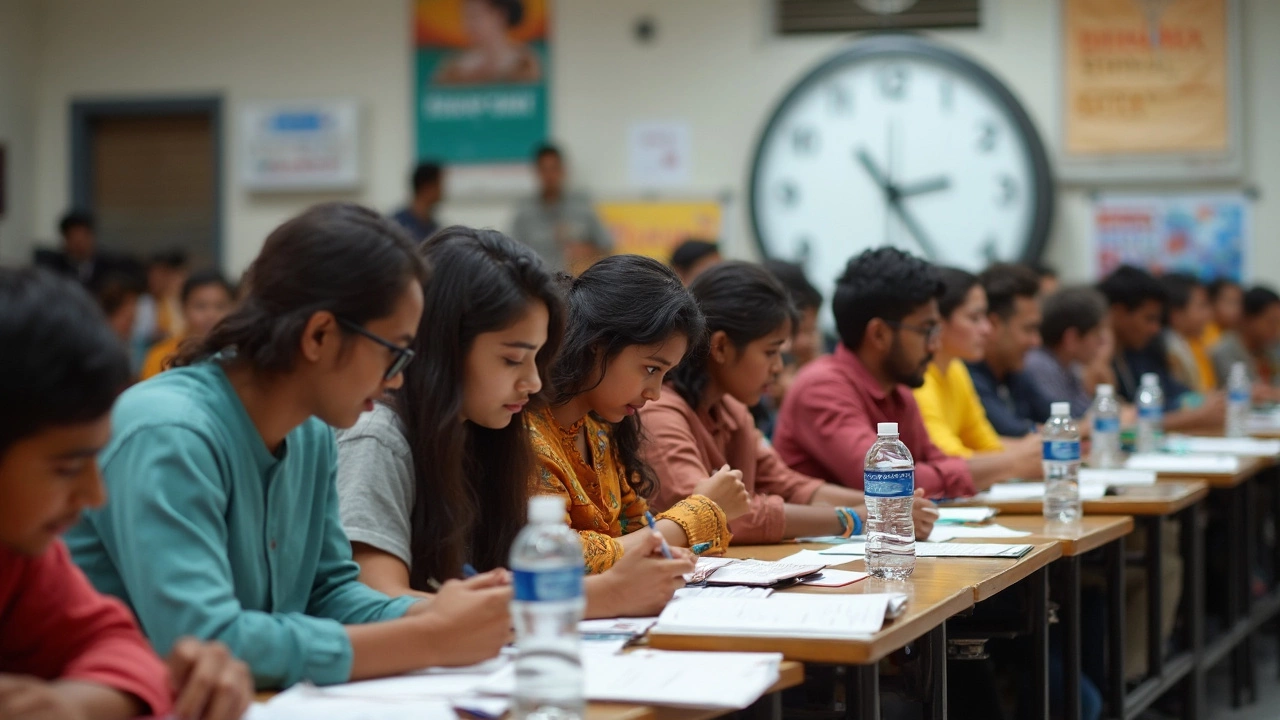
What makes the bar exam so intense isn’t just the content. It’s the weight it carries. Like the UPSC Civil Services Examination, it’s not just about knowledge—it’s about endurance, mental toughness, and the ability to perform when everyone’s watching. Students who crack the UPSC face similar pressure: years of preparation, family expectations, and the fear of failure. The bar exam is the same, just for law. And just like NEET or JEE, it rewards consistency over cramming. You don’t pass by memorizing case names—you pass by understanding how to apply principles, even when the question throws you off guard.
What’s interesting is how this connects to India’s own education culture. We’re used to high-pressure exams. We know what it means to sit for hours, write non-stop, and hope your answer matches the examiner’s mindset. The bar exam doesn’t ask for perfect recall—it asks for clarity, logic, and structure. That’s why so many Indian law students who’ve prepared for competitive exams like CLAT or AIBE adapt quickly. They already know how to handle stress, manage time, and write under pressure.
But here’s the catch: the bar exam isn’t just for future lawyers. It’s a mirror. It shows you how different systems handle professional licensing. In the U.S., you need a JD and then the bar. In India, you need an LLB and then the AIBE. Both are gateways. Both are tough. Both change your life. And both reveal something deeper: in every country, the most respected professions don’t just require education—they require proof. Proof you can do the job, not just talk about it.
What you’ll find in the posts below isn’t a guide to passing the bar. It’s a look at what makes exams like this so powerful. You’ll see how preparation for the AIBE compares to NEET or UPSC. You’ll learn why some people thrive under pressure while others break. You’ll get real insights into how the world’s hardest exams shape careers, minds, and futures. This isn’t about law alone. It’s about what it takes to earn a license to practice something that matters.