

Distance Learning Cost Savings Calculator
Input Your Estimates
Your Results
Enter your estimates above to see how much you could save with distance learning.
You wake up, grab your coffee, and log in to a lecture from a university on the other side of the world. No traffic, no commute, no awkward small talk in the hallway. Just you, your screen, and the knowledge you need. This isn't a futuristic fantasy; it is the daily reality for millions of students today. But does this shift actually make learning better? Or are we just trading classroom discipline for digital distraction?
The answer isn't simple, but the data leans heavily toward yes-for the right kind of learner. Distance learning has evolved far beyond the dusty correspondence courses of the past. It is now a sophisticated ecosystem that offers flexibility, accessibility, and often, superior outcomes in terms of skill retention and career readiness. Let's break down why going remote might be the smartest educational move you can make.
The Freedom to Learn on Your Terms
The biggest selling point of distance education is obvious: flexibility. But let's dig deeper than just "you can wear pajamas." The real power lies in asynchronous learning models. In a traditional campus setting, if you miss a lecture because you were sick or had a family emergency, you fall behind. You have to scramble to find notes, hope someone recorded it, or wait for office hours.
In a well-designed online program, the content waits for you. You can watch a recording at 2 AM if that’s when your brain works best. You can pause, rewind, and re-watch complex explanations until they click. This self-paced approach respects individual learning speeds. Some people grasp calculus in an hour; others need three. Traditional classrooms force everyone to march at the same pace, leaving some bored and others confused. Online platforms allow you to accelerate through what you know and slow down for what you don’t.
This flexibility also bridges the gap between work and study. For working professionals trying to upskill, juggling a 9-to-5 with evening classes is exhausting. Distance learning lets you integrate study into your life, not the other way around. You can take a course during your lunch break or on a weekend morning. This reduces burnout and makes higher education accessible to parents, caregivers, and employees who previously had to choose between income and education.
Breaking Down Financial and Geographic Barriers
Let's talk money. Traditional education comes with hidden costs that add up fast. There is tuition, yes, but there is also housing, commuting, campus fees, textbooks, and the opportunity cost of not working full-time. Distance learning strips away many of these expenses. You save on rent near campus, gas for driving, and expensive physical materials. Many online resources are digital-first, meaning access to libraries and journals is free once you are enrolled.
Then there is geography. If you live in a rural area or a developing region, top-tier universities might feel out of reach. You would have to relocate, which is financially and emotionally daunting. With distance learning, your location becomes irrelevant. A student in Auckland can earn a degree from a institution in London or New York without ever buying a plane ticket. This democratization of access allows talent to flourish regardless of where you were born. It creates a level playing field where merit matters more than zip code.
| Expense Category | Traditional Campus | Distance Learning |
|---|---|---|
| Tuition | High (often includes facility fees) | Moderate to High (varies by institution) |
| Housing/Room & Board | $10,000 - $20,000/year | $0 (live at home) |
| Commuting/Transport | $2,000 - $5,000/year | $0 - Minimal internet costs |
| Textbooks/Materials | Expensive physical copies | Often free digital access |
| Opportunity Cost | High (hard to work full-time) | Low (can maintain employment) |

Building Digital Fluency and Self-Discipline
Critics often argue that distance learning lacks rigor. They claim students cheat more or engage less. While these risks exist, they ignore the skills being built in the process. Today’s workplace is increasingly remote and digital. Knowing how to collaborate via Slack, manage projects in Trello, present ideas over Zoom, and self-manage deadlines is just as valuable as knowing theoretical concepts.
Distance learning forces you to develop executive function skills. You are responsible for your own time management. There is no professor hovering over your shoulder reminding you of the due date. You must create structure, prioritize tasks, and resist distractions. These are soft skills that employers desperately seek. A student who successfully completes an online degree demonstrates initiative, reliability, and digital competence-traits that translate directly to modern job roles.
Furthermore, online discussions can sometimes be more inclusive than face-to-face ones. In a physical classroom, extroverts dominate the conversation. Introverts or non-native speakers may hesitate to raise their hands. Online forums and chat rooms give everyone a voice. You have time to think before you type, leading to more thoughtful contributions. This environment encourages diverse perspectives and deeper engagement with the material, rather than just reacting quickly in the moment.
Personalized Learning Paths and Global Networking
Traditional education often follows a one-size-fits-all curriculum. Everyone takes the same core classes in the same order. Distance learning platforms, especially those leveraging AI, can offer personalized learning paths. Adaptive software analyzes your performance and suggests resources tailored to your weaknesses. If you struggle with statistics but ace literature, the system adjusts accordingly. This targeted approach ensures you spend time improving areas that need work, rather than relearning what you already know.
Additionally, your network expands globally. In a local classroom, your peers are likely from your immediate community. In an online cohort, you might be studying alongside a nurse from Kenya, an engineer from Brazil, and a marketer from Canada. This diversity exposes you to different cultural viewpoints and problem-solving approaches. You build a global professional network that can open doors internationally. These connections are often stronger because they are based on shared intellectual interests rather than proximity.
Addressing the Challenges: It’s Not All Perfect
To be fair, distance learning isn't for everyone. It requires a high degree of self-motivation. If you thrive on external structure and social accountability, going remote might lead to procrastination. The isolation can also be tough. Missing out on campus life, clubs, and spontaneous interactions can feel lonely. Mental health support needs to be intentional, as you won't have casual check-ins with friends in the dorms.
Technical issues are another hurdle. Reliable internet and a decent computer are prerequisites, not luxuries. During global disruptions, we saw how quickly the digital divide could exclude vulnerable students. Institutions must invest in robust tech support and accessible design to ensure no one is left behind due to bandwidth issues or hardware limitations.
However, these challenges are manageable with the right mindset and tools. Setting up a dedicated workspace, joining online study groups, and utilizing university counseling services can mitigate isolation and disorganization. The key is recognizing that distance learning is a different mode of engagement, not a lesser one.
The Future of Education is Hybrid
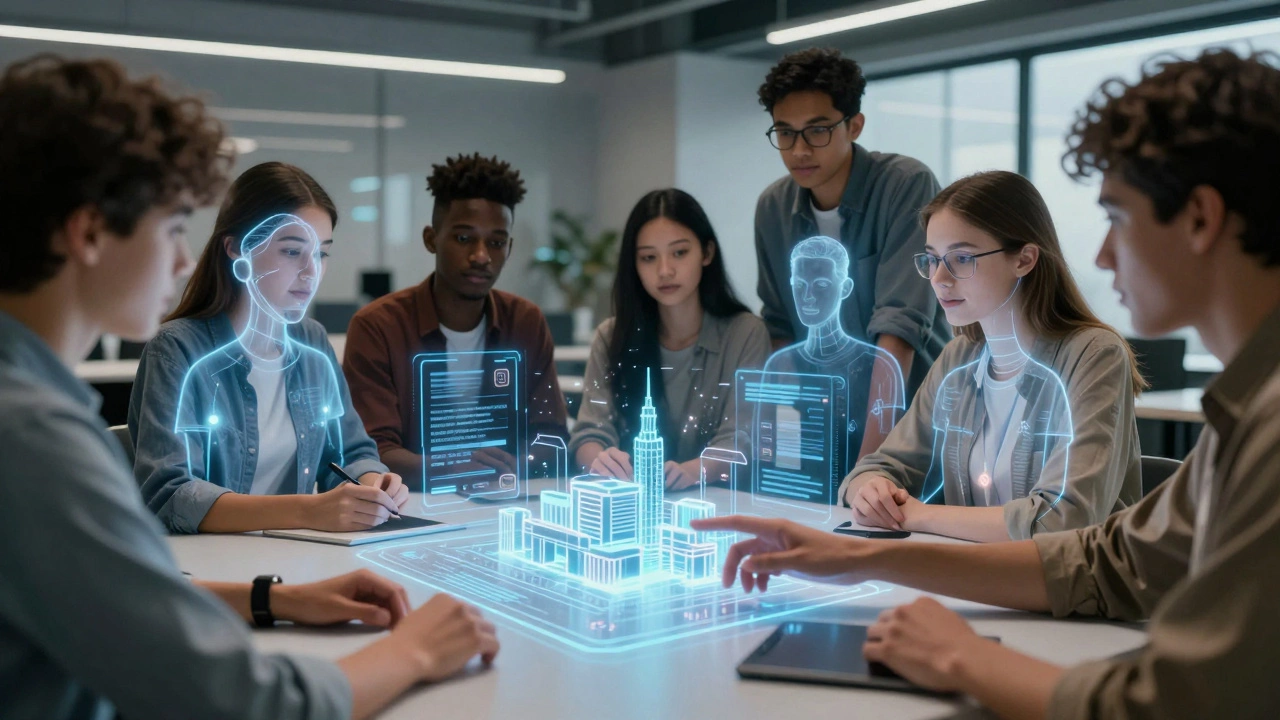
We are moving toward a hybrid model where the best of both worlds combine. Imagine attending lectures online for efficiency while reserving campus visits for labs, workshops, and networking events. This blended approach maximizes flexibility while preserving human connection. As technology improves, virtual reality and augmented reality will make remote collaboration even more immersive. You might soon "sit" next to classmates in a virtual lab, manipulating 3D models together in real-time.
Distance learning is better because it adapts to the student, not the institution. It removes barriers, builds relevant skills, and prepares learners for a digital-first world. Whether you are a busy parent, a working professional, or a curious mind seeking global perspectives, online education offers a path that is accessible, affordable, and effective. The question is no longer whether it is legitimate, but how you can leverage it to achieve your goals.
Is distance learning recognized by employers?
Yes, absolutely. Most employers care about the accreditation of the institution and the skills you demonstrate, not the delivery method. Degrees from accredited online programs hold the same weight as on-campus degrees. In fact, many employers value the self-discipline and digital fluency required to succeed in remote learning environments.
How do I stay motivated while studying online?
Create a dedicated study space separate from your relaxation areas. Set a consistent daily schedule for studying, treating it like a job. Break large assignments into smaller, manageable tasks with clear deadlines. Join online study groups or find an accountability partner to share progress with. Regularly remind yourself of your long-term goals to keep perspective.
Can I network effectively in a distance learning program?
Yes, though it requires more intentionality. Participate actively in discussion forums and group projects. Attend virtual office hours and webinars. Use LinkedIn to connect with classmates and instructors. Many online programs also host virtual career fairs and alumni networks. Building relationships online is about consistency and genuine engagement, not physical presence.
What technical requirements do I need for distance learning?
You generally need a reliable high-speed internet connection, a laptop or desktop computer with a webcam and microphone, and proficiency with standard software like video conferencing tools (Zoom, Teams) and learning management systems (Canvas, Blackboard). Some specialized programs may require additional software or hardware, such as graphic design tablets or coding environments.
Is distance learning suitable for all types of subjects?
Most subjects can be taught effectively online, including business, humanities, computer science, and even some sciences. However, fields requiring extensive hands-on practice, such as nursing, medicine, or engineering labs, often use a hybrid model. These programs combine online theory with mandatory on-site practical sessions to ensure competency in physical skills.