Federal Job Eligibility Checker
Check your eligibility before applying
This tool helps identify common roadblocks that might prevent you from getting a federal job. Answer the questions below to find out potential issues you need to address.
Getting a federal job sounds like a dream-steady pay, good benefits, job security. But thousands of people apply every year and never hear back. Why? It’s not always about experience or education. Often, it’s something simple, something they didn’t even realize mattered. The federal hiring process is strict, detailed, and unforgiving of small mistakes. If you’re serious about landing one of these jobs, you need to know what can stop you before you even submit your application.
1. Incomplete or Sloppy Applications
The biggest reason people get rejected? They treat the federal application like a regular job form. It’s not. The USAJobs portal requires you to answer every question, upload every document, and follow every instruction exactly. Skip one section, forget to attach your transcript, or use a generic resume instead of the required resume template? Your application gets automatically screened out-no human ever sees it.
One applicant in Ohio spent six months applying to over 40 positions. He got zero interviews. When he finally called the hiring office, they told him his resume didn’t match the job series code. He didn’t know what that meant. Federal jobs are categorized by series codes (like 0340 for administrative assistants or 1101 for management analysts). Your resume must use those exact terms. If you say "managed budgets" instead of "administered appropriated funds," your application gets flagged as mismatched.
2. Poor Background Check Results
Almost every federal job requires a background check. The level depends on the role-Public Trust, Secret, Top Secret-but even the lowest level checks your criminal history, credit, employment gaps, and sometimes your social media.
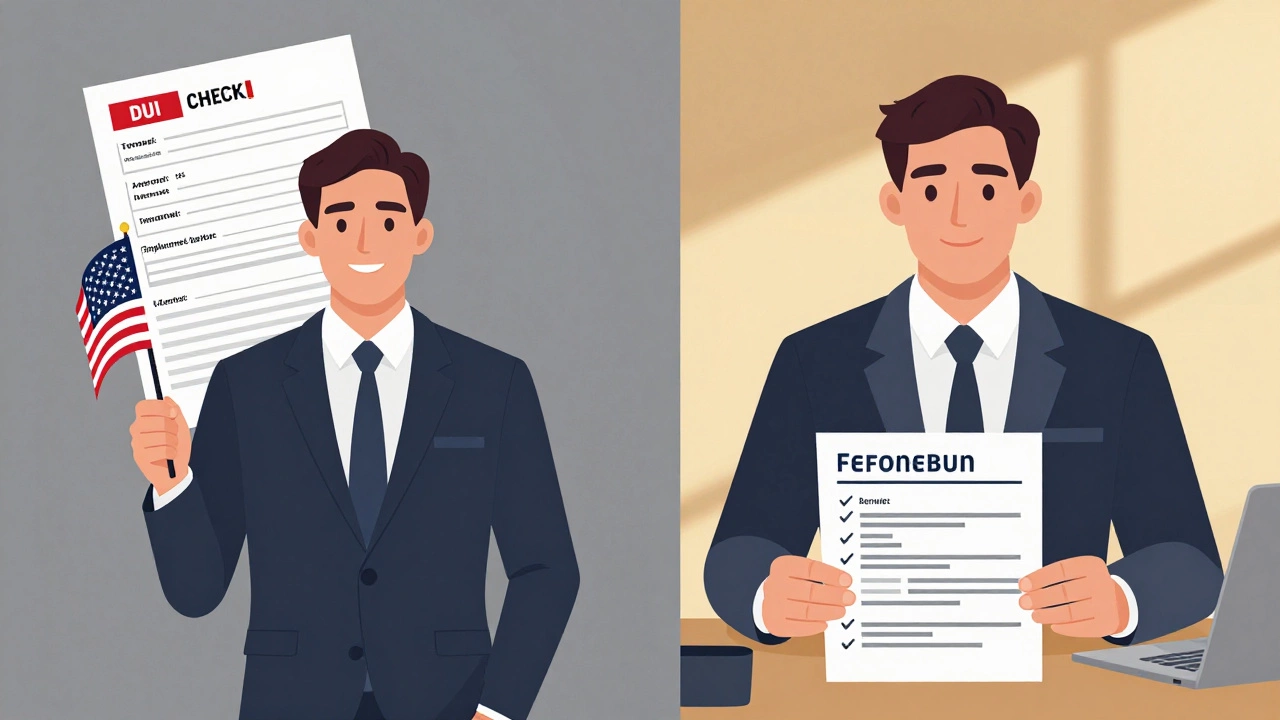
A 32-year-old applicant in Virginia applied for a clerical job at the Department of Veterans Affairs. He had a misdemeanor DUI from five years ago. He thought it was no big deal-he’d paid the fine, completed the class. But federal agencies look at patterns. One DUI might be overlooked. Two? A pattern. Add to that a history of unpaid parking tickets and a gap in employment with no explanation? He was disqualified.
Even minor financial issues matter. If you owe more than $7,500 in unpaid federal taxes or have a recent bankruptcy, that’s a red flag. The government doesn’t expect you to be perfect, but they do expect you to be responsible. If you’ve had money problems, be ready to explain what you did to fix them.
3. Citizenship and Immigration Status
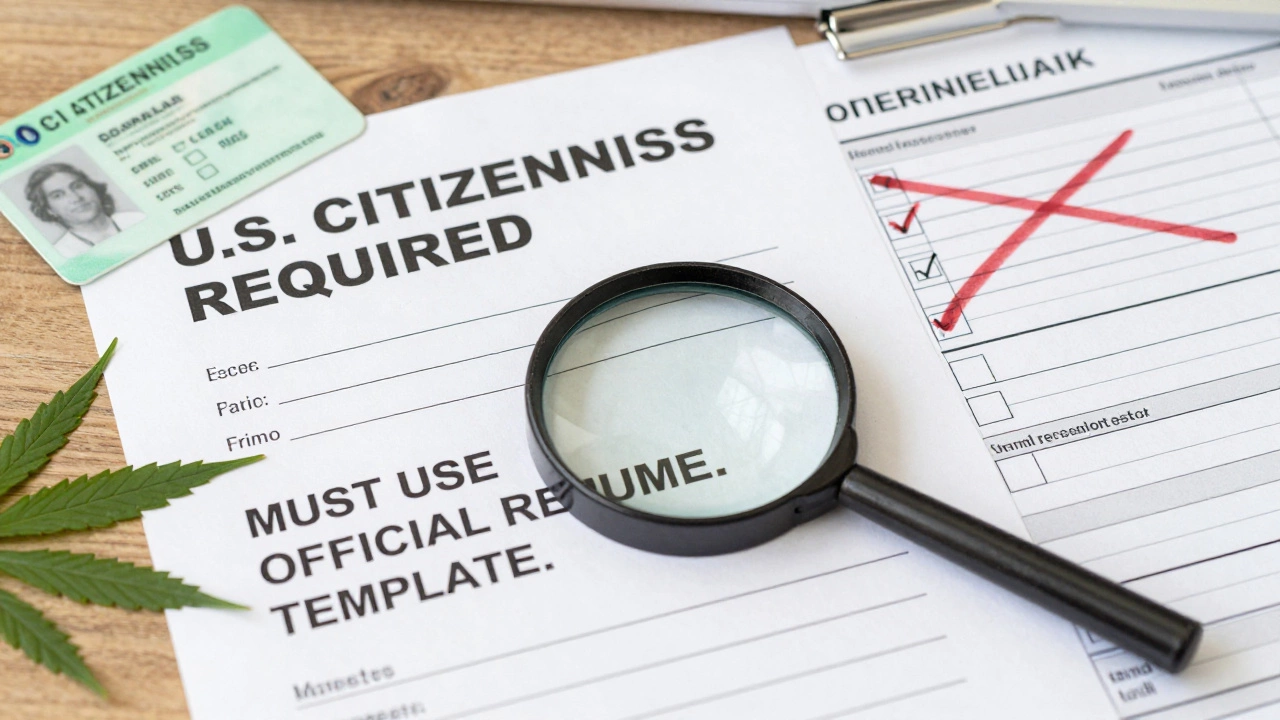
Unless the job posting says "open to all applicants," you must be a U.S. citizen. This is non-negotiable for 95% of federal positions. Permanent residents (green card holders) can apply for a small number of roles, mostly in technical or scientific fields, but even then, it’s rare.
One applicant from Canada had a master’s in environmental science and applied for a role with the EPA. He had a U.S. green card and five years of work experience. He was told he was "not eligible" after three weeks. The job required a Secret clearance. No citizenship, no clearance. No clearance, no job.
Don’t assume your residency status is enough. Even if you’ve lived in the U.S. for 20 years, if you’re not a citizen, you won’t qualify for most federal jobs. There are exceptions, but they’re narrow and clearly stated in the job announcement.
4. Failure to Pass the Medical or Physical Exam
Some federal jobs require a medical or physical exam. This includes roles in law enforcement, fire services, transportation, and even some IT jobs that involve travel to remote sites or emergency response.
A 45-year-old applicant applied for a position with the U.S. Postal Service as a mail handler. He had a history of lower back pain from an old injury. He didn’t mention it on his form. During the physical exam, the doctor flagged it. Even though he could lift 50 pounds, the agency said the risk of re-injury was too high. He was disqualified.
It’s not just about being fit. It’s about stability. If you have a chronic condition that could interfere with job duties-diabetes requiring frequent insulin checks, severe anxiety affecting shift work, or a hearing loss that impacts communication-you need to disclose it. Hiding it will get you caught later. Disclosing it upfront lets you discuss reasonable accommodations under the ADA.
5. Drug Use or Failure to Pass a Drug Test
Most federal jobs require a drug test. It’s not just for police or military roles. Even administrative, accounting, and IT positions require it. The test screens for marijuana, cocaine, opioids, amphetamines, and PCP.
A 28-year-old applicant in Colorado applied for a job with the Social Security Administration. He used marijuana legally in his state. He thought it was fine since he wasn’t using it at work. The test came back positive. He was disqualified. Federal law doesn’t recognize state marijuana laws. If it’s illegal under federal law, it’s a disqualifier.
Even prescription drugs can be an issue if they’re not properly documented. If you take Adderall for ADHD, you need a valid prescription and must declare it on your form. Otherwise, it looks like illegal stimulant use.
6. Employment Gaps Without Explanation
Federal applications require you to list every job you’ve had in the last 10 years, including dates, hours worked, and duties. Gaps of more than 30 days need an explanation. "Traveling," "taking care of family," or "looking for work" are acceptable. "Don’t remember" or "didn’t work" are not.
One applicant in Texas had a 14-month gap between two jobs. She wrote "personal reasons" and left it at that. The hiring manager flagged it. When they called to ask for details, she said she’d been in rehab for alcohol dependency. She hadn’t mentioned it because she was embarrassed. But once she explained it honestly, with documentation from her counselor, they moved her forward. Honesty matters more than perfection.
Don’t try to hide gaps. The government can verify your employment history through past employers, tax records, and Social Security data. If they find a mismatch, your application is immediately rejected.
7. Not Meeting Education or Certification Requirements
Some federal jobs require specific degrees, licenses, or certifications. For example, a job as a federal auditor might require a CPA or a degree in accounting. A role in cybersecurity might require CompTIA Security+ or CISSP.
A woman in Maryland applied for a position as a compliance officer with the Department of Health and Human Services. She had a bachelor’s in business and five years of experience. But the job required a master’s in public health or a related field. She didn’t have it. She thought her experience made up for it. It didn’t. The system auto-rejected her because she didn’t meet the minimum education threshold.
Even if you have experience, if you don’t meet the stated education requirement, you won’t get past the automated screening. Don’t guess. Read the qualification section of the job announcement line by line. If it says "Bachelor’s degree in engineering from an accredited institution," then you need that exact thing.
How to Avoid These Pitfalls
If you want to get a federal job, treat the application like a legal document. Every detail counts. Here’s how to avoid these common mistakes:
- Use the official USAJobs resume builder-it auto-fills the right terms and formats.
- Read the "Required Documents" section of every job posting. Missing one file = automatic rejection.
- Check your credit report and fix any errors before applying. Dispute inaccuracies early.
- Review your criminal record. If you have a conviction, find out if it’s eligible for expungement.
- Be honest about gaps, medical conditions, and past drug use. Explain what you learned.
- Verify your citizenship status. If you’re not a citizen, focus on jobs marked "Open to All U.S. Citizens."
- Don’t apply unless you meet 100% of the mandatory requirements. Partial matches don’t count.
Federal hiring is slow, but it’s fair-if you do it right. The system filters out the careless, not the qualified. If you’ve done your homework, followed the rules, and been honest, you’ve already beaten most of the competition.
Can I get a federal job if I have a criminal record?
It depends on the crime and the job. Minor offenses like a single DUI or a non-violent misdemeanor from over five years ago might not disqualify you, especially if you’ve shown rehabilitation. But felonies, especially those involving fraud, theft, or violence, are often automatic disqualifiers for most federal roles. Each agency reviews cases individually, so you must disclose everything and explain what changed.
Do I need to be a U.S. citizen to apply for any federal job?
Yes, for the vast majority. Only about 5% of federal positions are open to non-citizens, and those are usually highly technical roles in science, engineering, or medicine. Even then, you must have legal permanent residency and meet additional security requirements. If the job posting doesn’t say "Open to All U.S. Citizens," assume you must be a citizen.
Can I use a regular resume for a federal job?
No. Federal applications require a specific format that includes job series codes, duty statements, hours worked per week, and supervisor contact info. A standard corporate resume won’t pass the automated screening system. Use the USAJobs resume builder or download the official federal resume template from OPM.gov.
How long does a federal background check take?
It varies. A Public Trust check can take 2-6 weeks. A Secret clearance usually takes 4-8 months. Top Secret can take over a year. If you have foreign travel, dual citizenship, or financial issues, it will take longer. Submitting complete, accurate information upfront is the fastest way to avoid delays.
Is marijuana use still a disqualifier even if it’s legal in my state?
Yes. Federal law still classifies marijuana as a Schedule I controlled substance. Even if you use it legally in your state, testing positive for THC will disqualify you from any federal job that requires a drug test-which is almost all of them. There are no exceptions.
What to Do Next
If you’ve been turned down before, don’t give up. Review your application. Check your credit report. Look up your criminal record. Make sure your resume matches the job series code. Fix what you can. Then apply again-with care.
Federal jobs aren’t easy to get. But they’re not impossible. The difference between success and rejection often comes down to one thing: attention to detail. The system doesn’t punish you for being human. It punishes you for being careless. Get the details right, and you’ve already won half the battle.