School Duration in India: How Long Do Students Really Spend in Class?
When we talk about school duration, the total time students spend in formal education across a year or their entire schooling. Also known as academic calendar length, it’s not just about how many hours are in a day—it’s about how those hours are structured, how many days are in the year, and whether the system actually supports learning or just fills time.
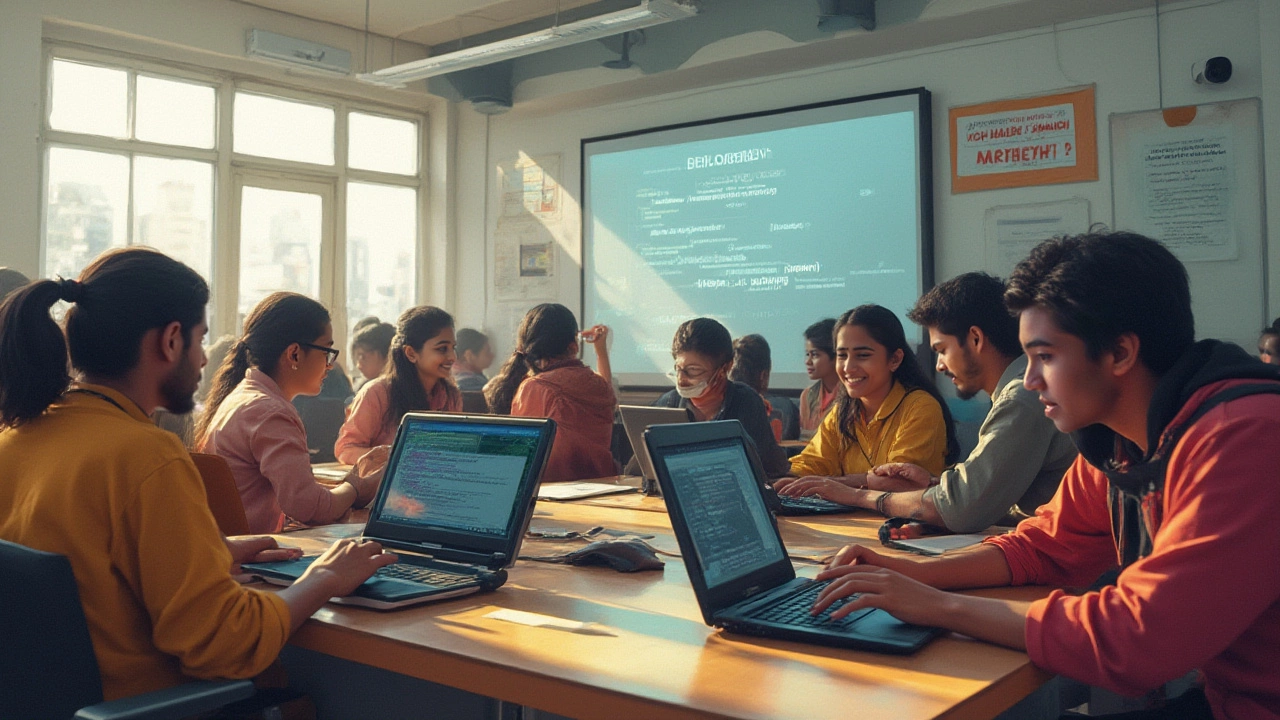
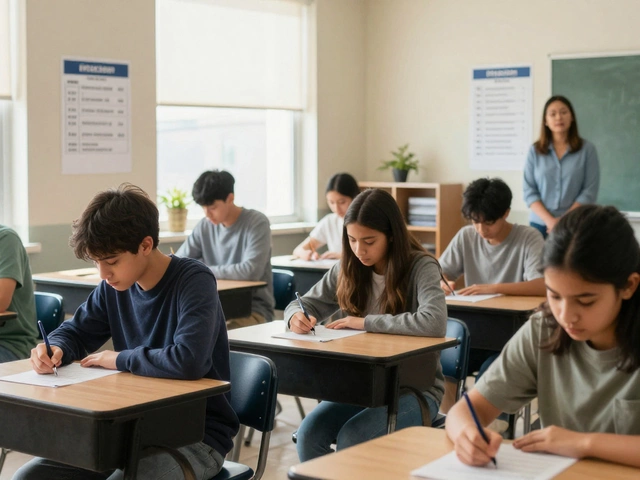
Most Indian schools follow a structure set by boards like CBSE, ICSE, or state councils, but the reality varies wildly. A typical day runs from 7:30 AM to 2:00 PM, sometimes longer if coaching or extracurriculars are added. That’s roughly 6–7 hours daily, five days a week. But the real question isn’t how long students are in school—it’s how much of that time is spent on actual learning. Many students spend extra hours in coaching centers, especially in cities like Delhi, Kota, or Hyderabad, turning what should be a 12-year journey into a 16-hour day. And while some schools follow a 200-day academic year, others stretch to 220 days, especially in private institutions aiming for competitive exam prep. This variation isn’t just about policy—it’s about pressure.
The CBSE syllabus, a national curriculum framework used by thousands of schools across India. Also known as Central Board of Secondary Education curriculum, it sets the pace for what’s taught, but not how long students spend on it. Meanwhile, international schools, schools in India following global standards like IB or Cambridge. Also known as global curriculum schools, they often have shorter school days but longer academic years, with more focus on projects and less on rote memorization. This creates a split: one system pushes for endurance, the other for depth. And then there’s the hidden factor—summer breaks. In India, summer holidays can be as short as 4–6 weeks, compared to 10–12 weeks in countries like the U.S. or Canada. That means less time to recharge, more burnout, and less room for curiosity-driven learning.
It’s not just about clock hours. The real issue is whether the system matches how kids learn. Studies show that after 4–5 hours of focused classroom time, retention drops sharply. But in many Indian schools, the day is packed with assemblies, drills, and unproductive transitions. The result? Students are present, but not engaged. And when they’re not engaged, longer school duration doesn’t mean better outcomes—it just means more exhaustion.
What you’ll find below are real stories and comparisons: how school duration affects NEET aspirants in Kota, why Dubai schools feel different, how online learning changed daily schedules in 2025, and whether pushing kids harder actually helps them succeed—or just burns them out. These aren’t abstract theories. These are the lived experiences of students, parents, and teachers trying to make sense of a system that often measures success by hours spent, not knowledge gained.