Open Exam Types: What They Are and Which Ones Matter Most in India
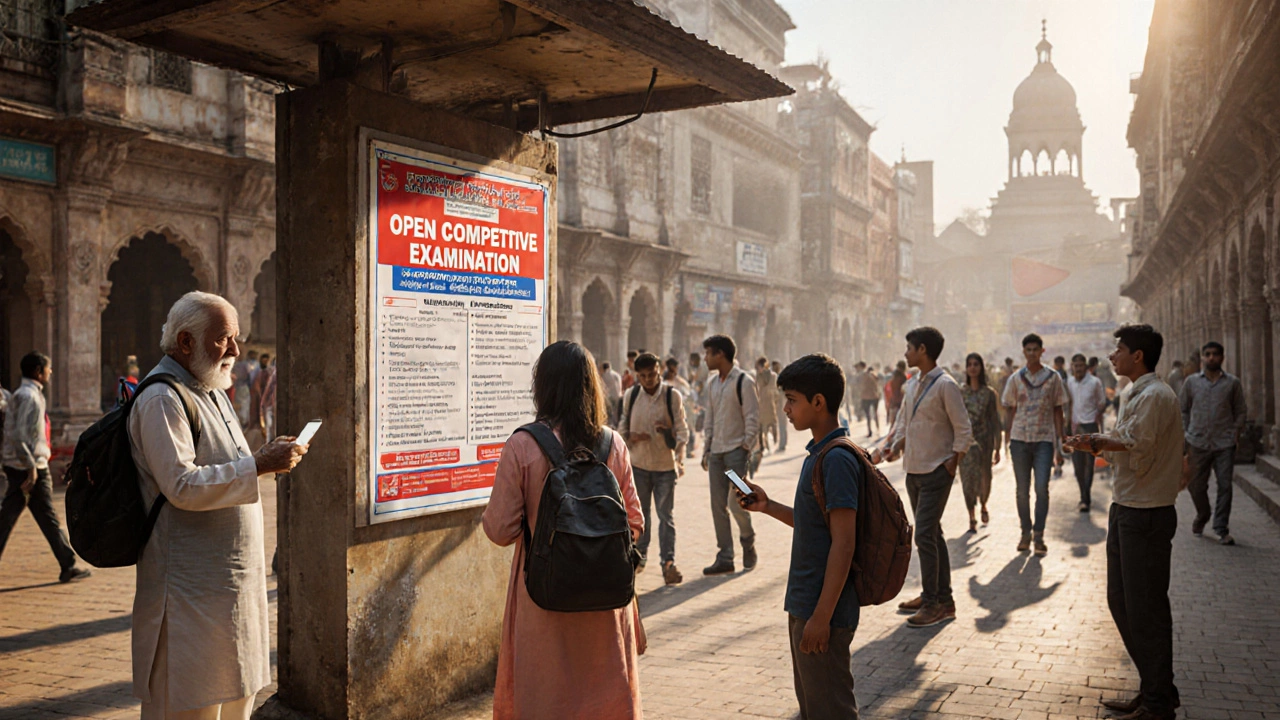
When people talk about open exam types, competitive entrance tests in India that have no restrictions on who can apply, as long as basic eligibility is met. Also known as open enrollment exams, they’re the gateway for millions aiming to enter medicine, engineering, or civil services. Unlike school exams or private certification tests, these are open to anyone—no matter where you’re from, what school you attended, or how much money your family has. You just need to meet the age, education, or nationality rules. That’s what makes them fair… and brutal.
These exams don’t care about your background. They only care about your score. That’s why NEET, the national medical entrance exam that determines who gets into medical college in India, draws over 2 million applicants every year. Same with UPSC Civil Services, the exam to become an IAS officer, known for its tiny pass rate and years of preparation. And then there’s JEE Main, the gateway to India’s top engineering schools like the IITs. These aren’t just tests—they’re life crossroads. People quit jobs, drop out of college, or move cities just to prepare. The pressure isn’t from the questions. It’s from what’s at stake.
What makes these exams different from others is how they’re structured. No internal assessments. No continuous evaluation. Just one shot, once a year. If you miss it, you wait. And most people try multiple times. There’s no official limit on how many times you can take NEET or JEE. UPSC? You can try until you’re 32. That’s why you’ll find 25-year-olds, 28-year-olds, even 30-year-olds sitting beside 17-year-olds. It’s not about age. It’s about persistence. And the system rewards that. The ones who win aren’t always the smartest. They’re the ones who showed up again, and again, and again.
Behind every open exam type is a system built for scale, not comfort. Coaching centers like Allen and Aakash thrive because they turn chaos into a routine. Online platforms like Google Classroom help students stay connected. Teachers like NV Sir become legends because they teach not just physics, but how to survive failure. These exams don’t just test knowledge. They test your mental stamina, your discipline, your ability to keep going when no one is watching. And that’s why, even though they’re hard, they’re still the most trusted path to opportunity in India.
Below, you’ll find real stories from people who’ve been through these exams—their wins, their breakdowns, and the lessons they learned the hard way. Whether you’re thinking of taking one, or just trying to understand why so many are obsessed with them, these posts will show you what’s really going on.
Popular Post