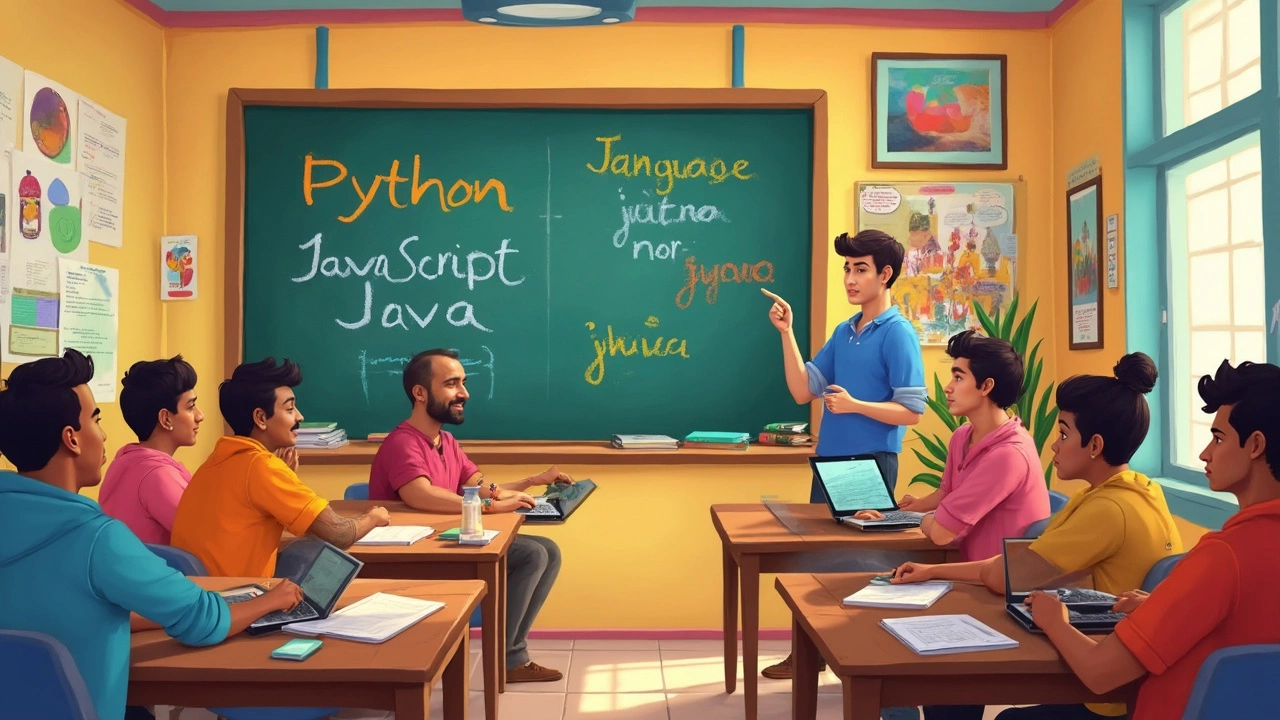
JavaScript: What It Is, Why It Matters, and How It Powers Online Learning
When you click a button on a learning app, watch a video progress bar move, or see quiz answers update instantly—that’s JavaScript, a programming language that brings websites to life. Also known as JS, it’s the reason your online class doesn’t feel like reading a static PDF. Unlike languages that run behind the scenes, JavaScript works right in your browser, making everything responsive. It’s not just for developers—it’s the hidden engine behind Google Classroom, YouTube tutorials, and interactive coding exercises you use every day.
JavaScript doesn’t work alone. It teams up with HTML, the structure of every webpage and CSS, the styling layer that makes things look good. Together, they form the foundation of every online learning platform. If you’ve ever taken a course on Udemy, watched a coding tutorial on YouTube, or used an app that quizzes you in real time, you’ve interacted with JavaScript. Even tools like Google Classroom rely on it to let teachers post assignments, students submit work, and grades update without reloading the page.
It’s also the reason some coding jobs pay so much. In 2025, knowing JavaScript opens doors—not just in web development, but in eLearning design, app-based tutoring, and even AI-powered learning tools. You don’t need to be a pro to benefit from understanding it. Whether you’re a student trying to pick the best online course, a parent wondering why some learning apps feel smoother than others, or a teacher looking to build interactive lessons, JavaScript is the invisible thread tying it all together. Below, you’ll find real insights from students and educators on how this language shapes the way we learn online—from the platforms we use to the skills that actually get you hired.