Interactive Learning: What It Is and How It Works in Indian Education
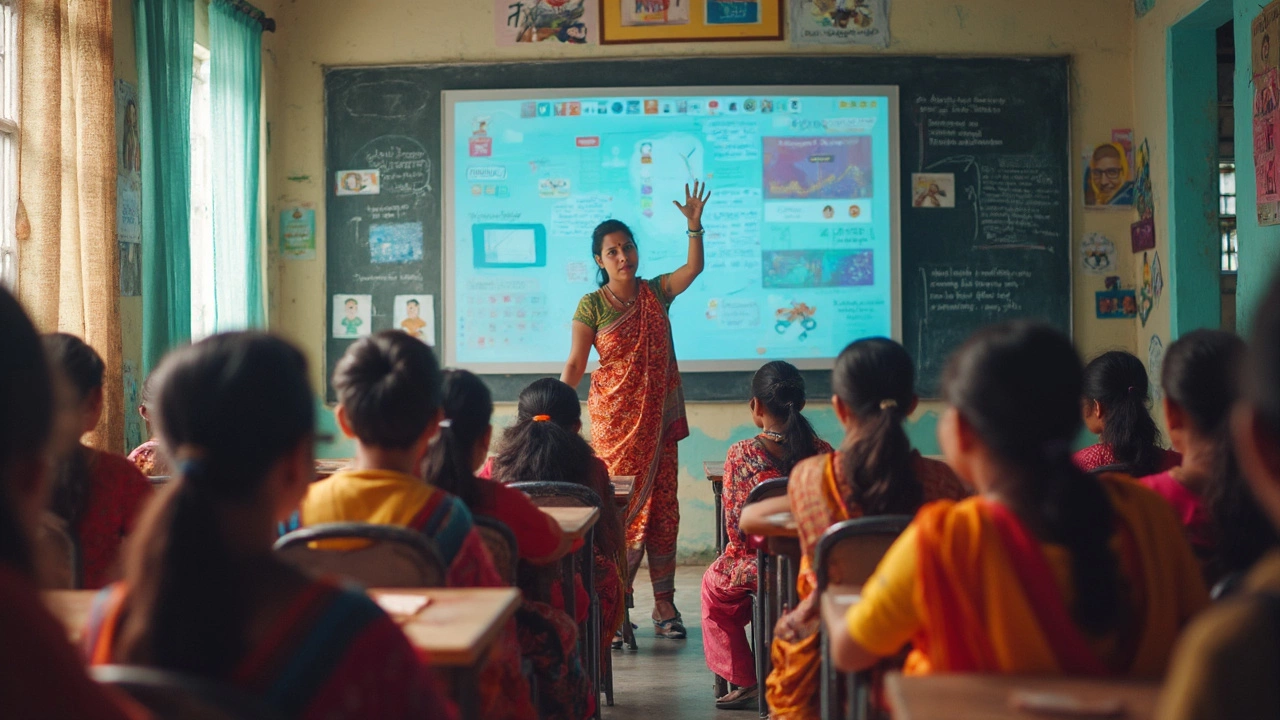
When we talk about interactive learning, a teaching method where students actively participate through tools, discussions, and real-time feedback rather than just listening or reading. Also known as active learning, it’s what turns passive screen time into real understanding. This isn’t just a buzzword for tech-savvy schools—it’s the reason students in Delhi are cracking NEET while studying from home, and why kids in small towns are catching up fast using free apps and WhatsApp groups.
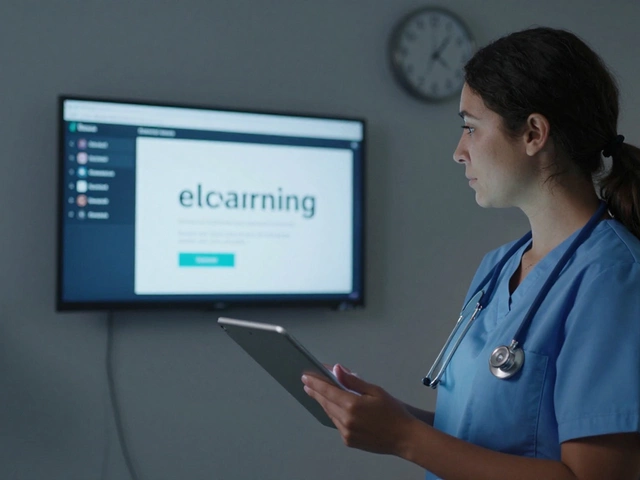
Interactive learning requires three things: participation, feedback, and repetition. Google Classroom, which powers most online classes in India, isn’t popular because it’s fancy—it’s because it lets teachers assign quizzes, track who’s stuck, and send quick reminders. Platforms like these turn eLearning, structured education delivered digitally, often with self-paced modules and assessments into something that feels alive. You’re not just watching a video—you’re answering a question right after, getting instant results, and seeing where you went wrong. That’s how NV Sir’s physics lessons stick: students don’t just hear the solution—they try it themselves, fail, retry, and finally get it. This is also why online learning platform, a digital system used to deliver, manage, and track educational content and student progress tools like Teachable or Udemy work better for some than others—it’s not about the content, it’s about how much you’re forced to do something with it.
What’s changing fast in India is that interactive learning isn’t limited to elite coaching centers anymore. A student in Bhopal using a free English speaking app for 15 minutes a day is doing more than memorizing vocabulary—she’s recording herself, comparing her pronunciation, adjusting, and trying again. That’s interactive learning. A JEE aspirant solving problems on a digital whiteboard with peers over Zoom isn’t just studying—he’s building muscle memory for exam pressure. Even UPSC candidates are using quiz apps that adapt to their weak areas, turning months of dry reading into targeted, bite-sized battles. The hardest exams don’t reward memorization anymore—they reward adaptability, and interactive learning builds that skill without you even noticing.
Below, you’ll find real stories from students and teachers who’ve seen the difference. From which coaching institute leans hardest into interaction, to the platforms that actually keep students coming back, to why some digital tools feel like homework and others feel like progress—you’ll see exactly what works, and what doesn’t, in today’s Indian classroom.