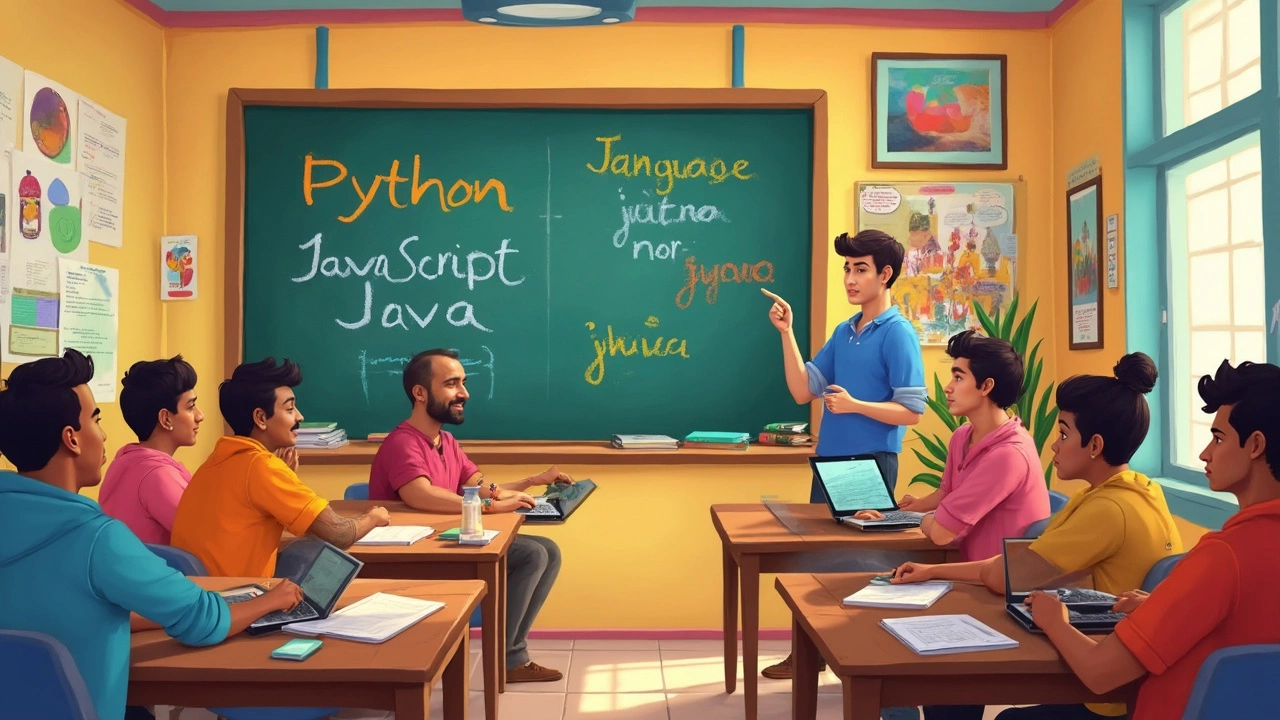
Coding Language: What You Need to Know in 2025
When you hear coding language, a set of instructions computers understand to perform tasks. Also known as programming language, it’s the foundation of everything from apps to AI systems. It’s not about memorizing syntax—it’s about solving problems, one line at a time. In 2025, the most in-demand coding language isn’t the fanciest—it’s the one that gets results. Python leads the pack because it’s simple to start with, powerful enough for AI and data science, and used by companies from startups to Google. But that doesn’t mean it’s the only one that matters.
Other programming languages, structured systems that tell computers how to process data and execute commands like JavaScript, Java, and C++ still hold their ground in web development, enterprise software, and game engines. Then there’s the tough stuff—languages like C++, Haskell, and Assembly that make even experienced devs pause. These aren’t just hard to learn; they’re used where performance and control matter most, like in operating systems or embedded devices. The choice of language often depends on the job, not personal preference. If you want to build websites, JavaScript is your friend. If you’re chasing high salaries in AI, Python opens the door. And if you’re aiming for top-paying roles in cybersecurity or cloud infrastructure, knowing multiple languages gives you an edge.
It’s not just about the language—it’s about what you do with it. A software developer, a professional who designs, builds, and maintains software systems who knows Python can earn between $60,000 and $140,000 depending on experience and location. But that salary doesn’t come from just writing code. It comes from understanding how to debug, how to think logically, and how to keep going when nothing works. That’s the real challenge. Most people think coding is about learning rules. It’s not. It’s about learning how to break things, fix them, and do it again until it clicks. And that’s why the most successful coders aren’t the ones who memorized the most syntax—they’re the ones who kept trying.
What you’ll find in these posts isn’t a list of languages to learn. It’s a real look at what works, who gets paid, and what trips people up. You’ll see why Python dominates salaries, why some languages are harder than others, and how coding fits into bigger trends like AI hiring and remote learning. No fluff. No hype. Just what you need to know before you start—or before you move to the next level.