CBSE Schools: What They Are, Why They Matter, and How They Compare
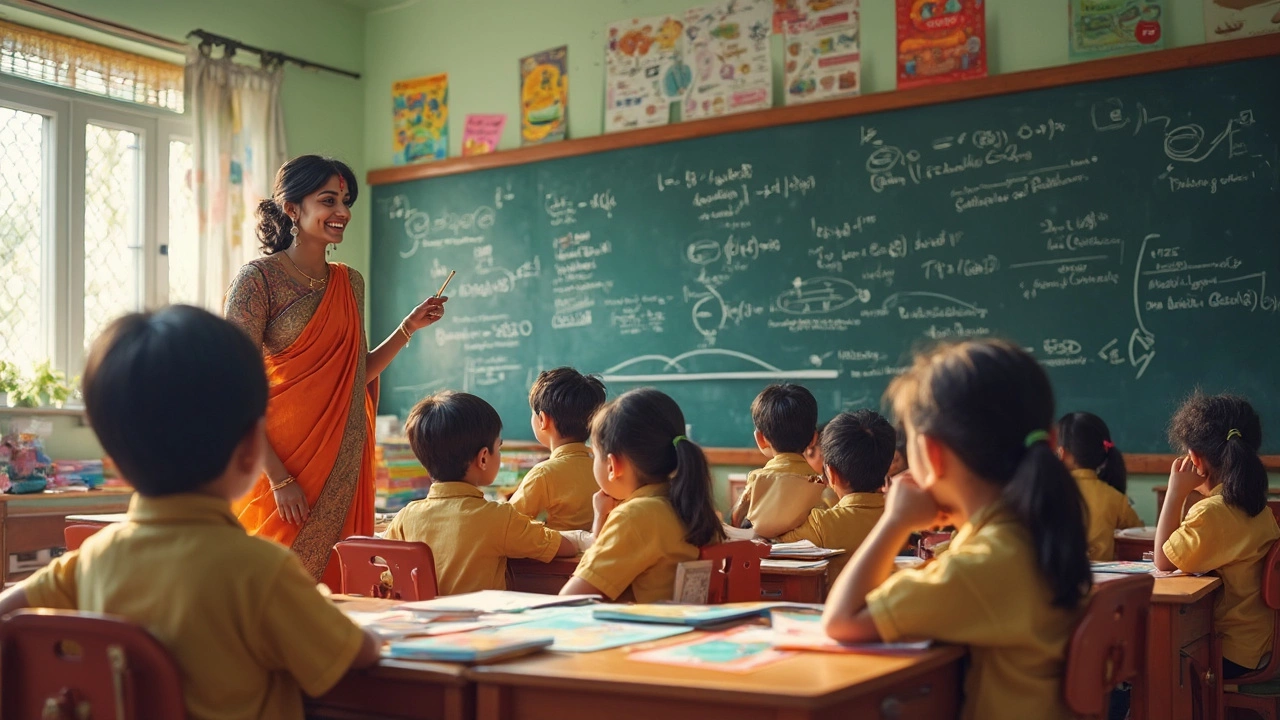
When you hear CBSE schools, a network of schools across India following the Central Board of Secondary Education curriculum. Also known as Central Board of Secondary Education schools, they're the most common school system in the country, preparing over 20 million students every year for board exams and competitive tests like NEET and JEE. These aren’t just schools—they’re a pipeline. From small towns to big cities, CBSE schools follow the same syllabus, use the same NCERT textbooks, and test students the same way. That consistency is why parents choose them: if your child moves from Delhi to Hyderabad, the learning doesn’t stop.
What sets CBSE apart isn’t just the syllabus—it’s the focus on board exams, standardized national tests that determine promotion and college eligibility. Unlike state boards that emphasize local languages or regional content, CBSE keeps things uniform and exam-driven. This makes it the go-to choice for families aiming for medical or engineering careers. It’s no surprise that top coaching centers like Allen and Aakash design their NEET and JEE prep around CBSE’s structure. The NCERT curriculum, the official textbook series used by CBSE schools is the foundation. If you master NCERT, you’ve already covered 70% of what’s tested in national exams.
But CBSE isn’t perfect. Critics say it’s too rigid, too focused on memorization, and doesn’t prepare kids for real-world problem-solving. That’s where comparisons with international schools, schools offering IB, Cambridge, or other global curricula come in. Parents in cities like Dubai or Bangalore often weigh CBSE’s exam reliability against the creativity and critical thinking promoted elsewhere. The truth? CBSE gives you a clear path to top colleges in India. If your goal is to crack NEET or get into an IIT, it’s the most direct route. But if you’re thinking long-term—global universities, careers abroad—then you might need to supplement it.
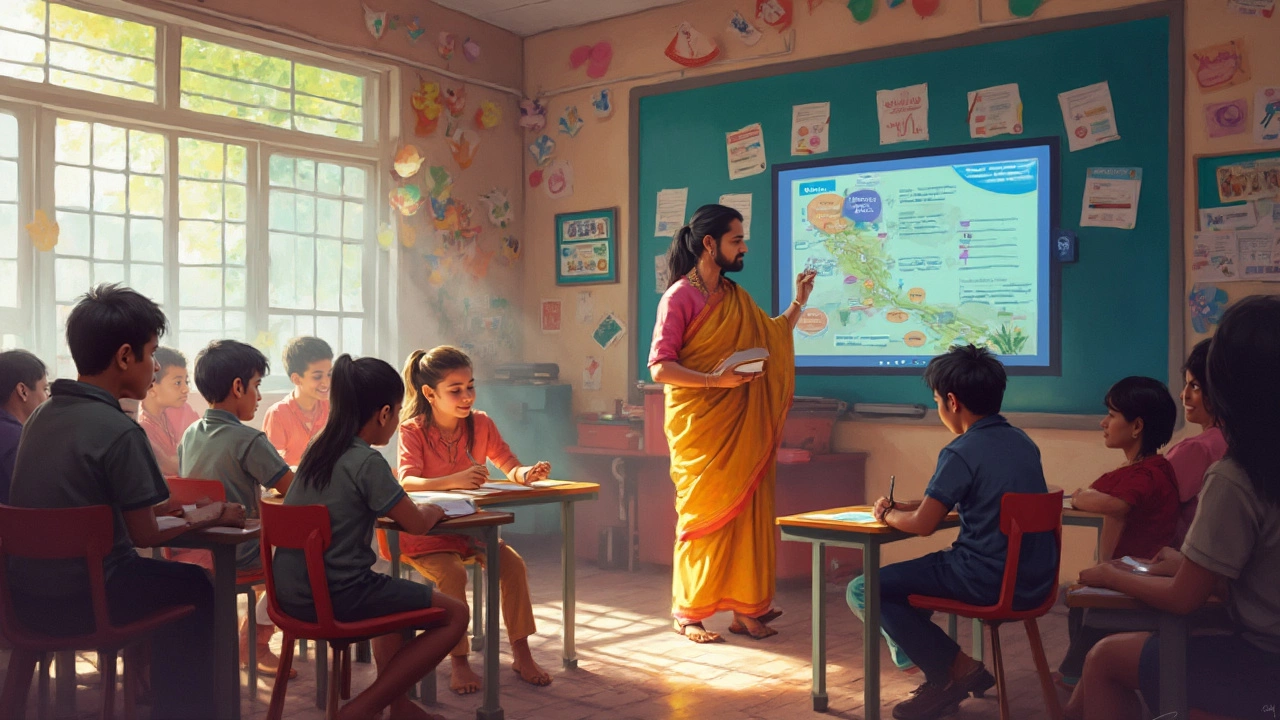
Online learning tools like Google Classroom have become part of the CBSE experience too. Even during lockdowns, CBSE schools kept going because they had the structure to adapt. The same students who memorize formulas from NCERT books now use apps, YouTube channels, and digital platforms to practice. The system isn’t changing—it’s evolving. And whether you’re a parent deciding where to enroll your child, a student wondering if CBSE is right for you, or a teacher trying to keep up, understanding how CBSE works—and how it connects to coaching institutes, exams, and global education—is key.
Below, you’ll find real comparisons, insider tips, and honest takes on what CBSE schools actually deliver—and what they don’t. From how they stack up against Dubai’s curriculum to which cities are best for CBSE-based NEET prep, everything here is drawn from what students and families are actually experiencing.