Beginner Programming: What You Need to Start and How to Stay Motivated
When you start with beginner programming, the first step in learning how to give instructions to computers using code. Also known as learning to code, it’s not about memorizing syntax—it’s about training your brain to solve problems step by step. Most people think you need to be a math genius or have a computer science degree. That’s not true. What you really need is patience, a clear goal, and the willingness to get stuck—and keep going.
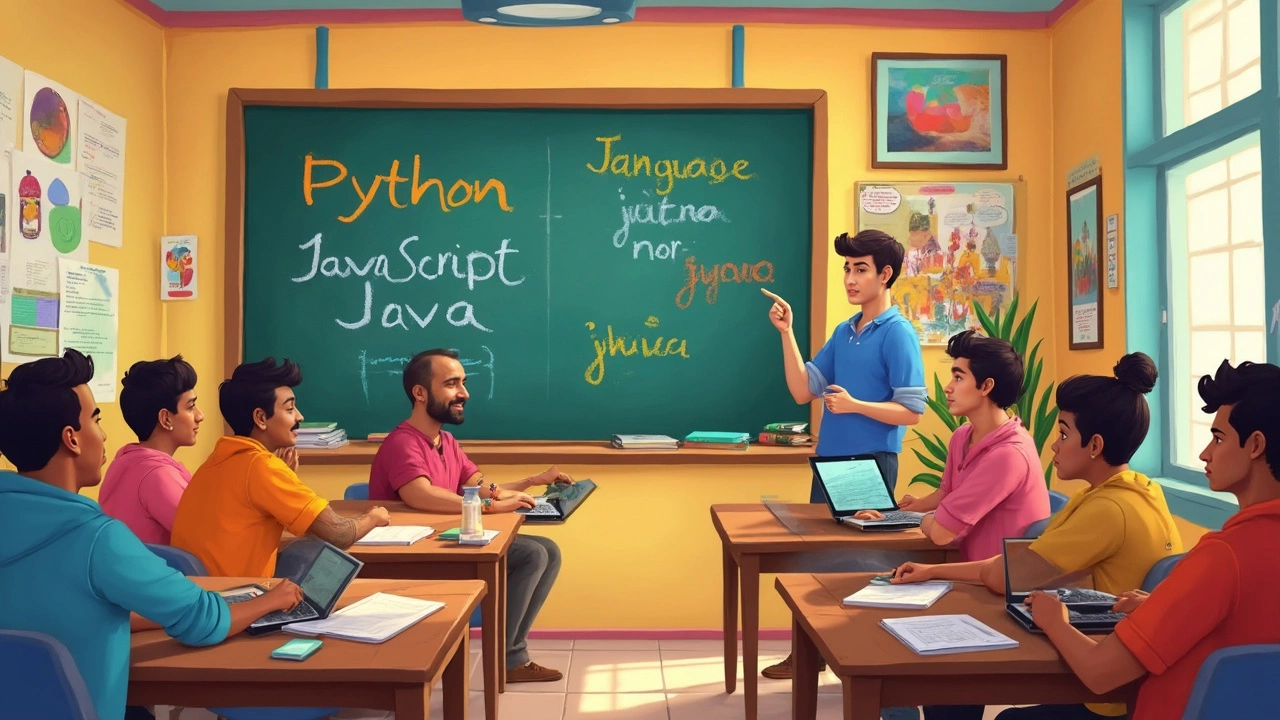
Python, a simple, readable language often recommended for newcomers, is the most popular choice for beginner programming. It’s used in everything from websites to AI tools, and you can start building real things in days, not years. Other languages like JavaScript or Scratch are also common entry points, but Python gives you the fastest path to seeing results. What matters more than the language is your approach. If you’re trying to learn by watching videos without typing anything, you won’t get far. Coding isn’t a spectator sport. The biggest hurdle isn’t complexity—it’s frustration. You’ll spend hours debugging a single line of code that’s missing a colon. That’s normal. The people who succeed aren’t the smartest—they’re the ones who keep trying even when nothing works.
programming mindset, the habit of breaking big problems into tiny, solvable parts, is what separates beginners who quit from those who stick with it. This skill doesn’t come from textbooks—it comes from doing. Start small: build a calculator, make a to-do list app, automate a boring task. Each tiny win builds confidence. And when you hit a wall, remember: every expert was once a beginner who refused to give up. The posts below cover real stories from people who started from zero, tools that actually help (not just flashy apps), and the hidden traps that slow you down. You’ll find out why some coding courses waste your time, what skills actually get you hired, and how to avoid burnout before it starts.